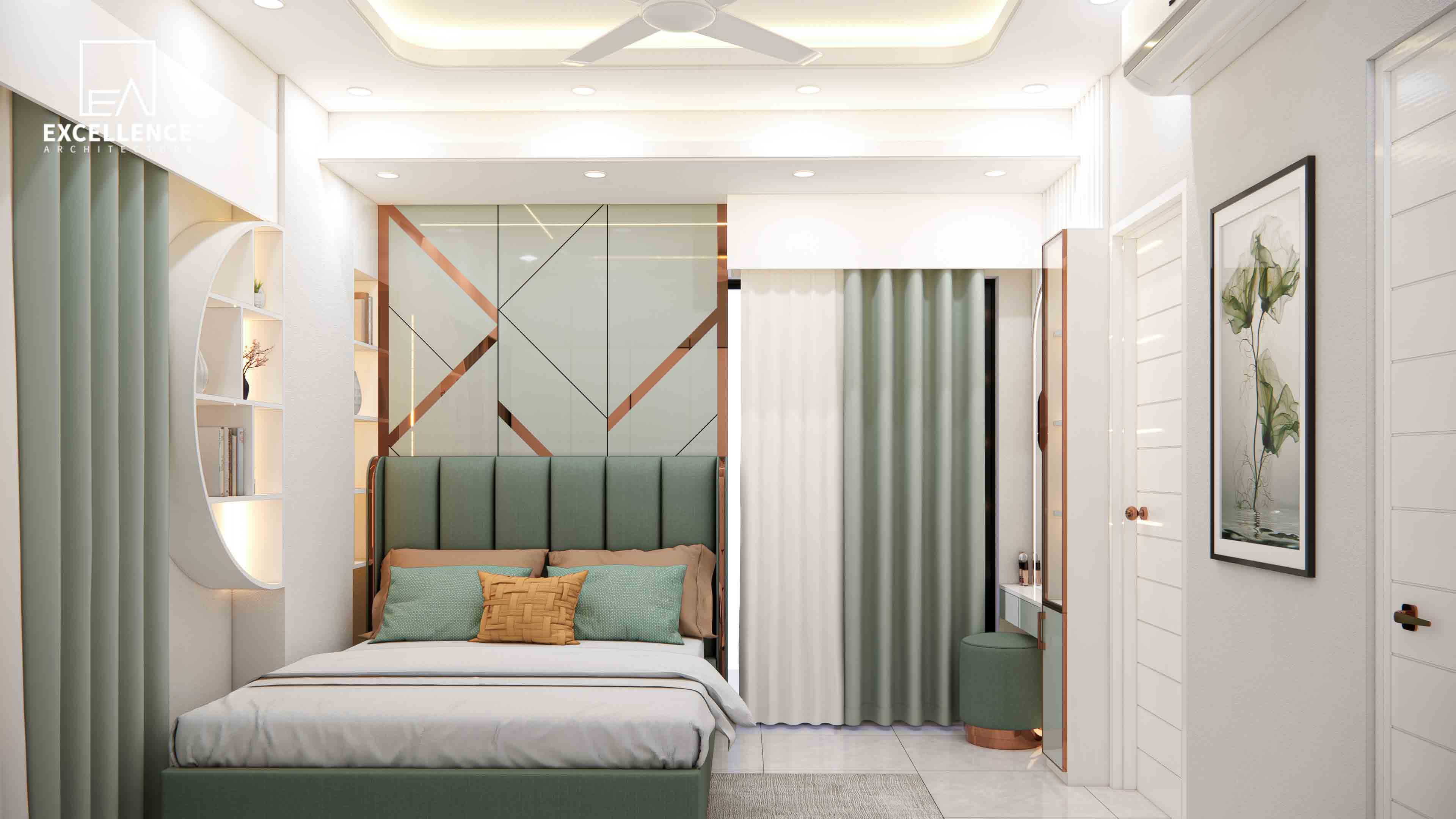
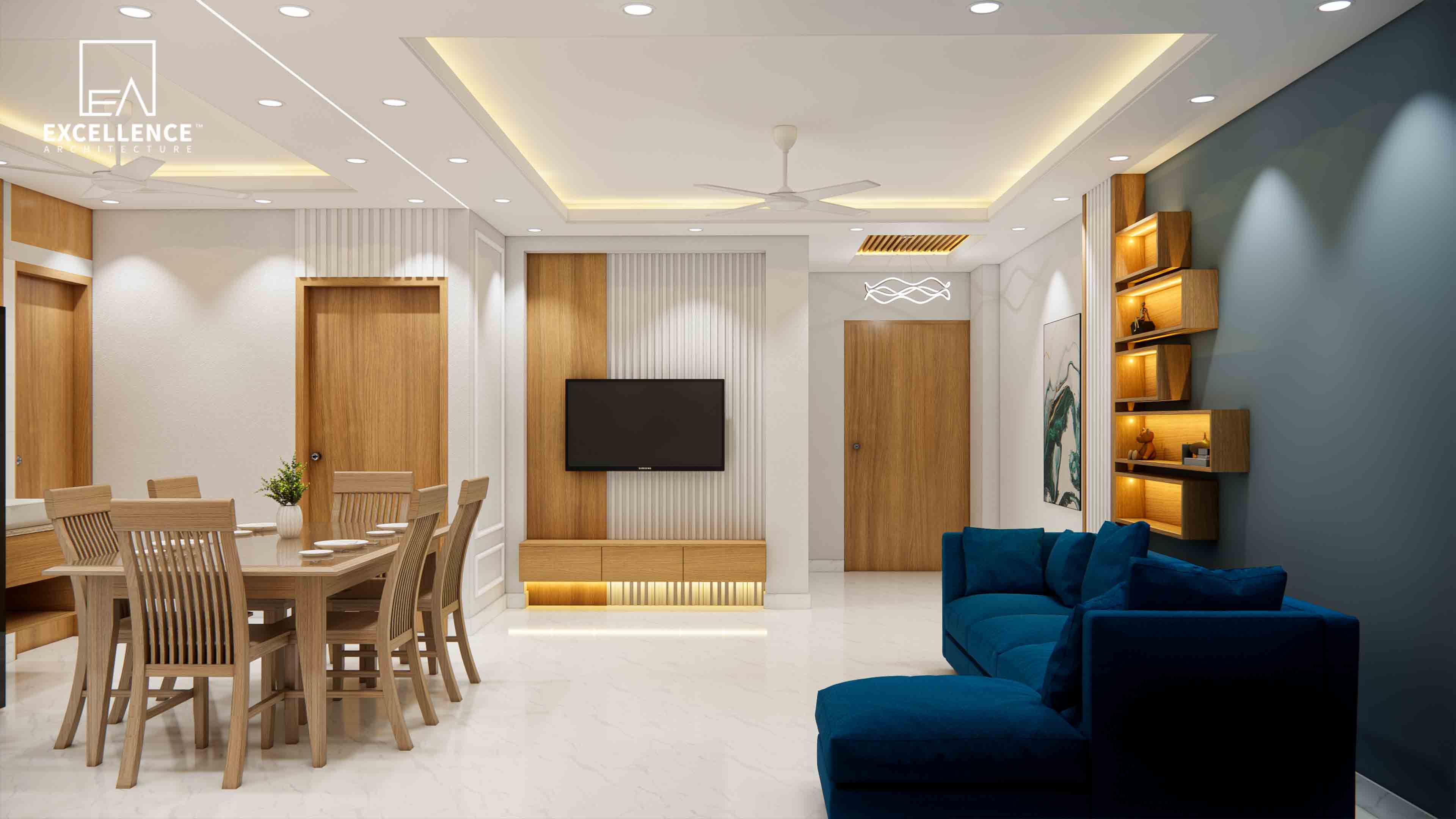
Tired of interior budget ballooning midway? Discover red flags in vague contractor quotes, BOQ standards, and contract clauses to protect your Dhaka home investment.
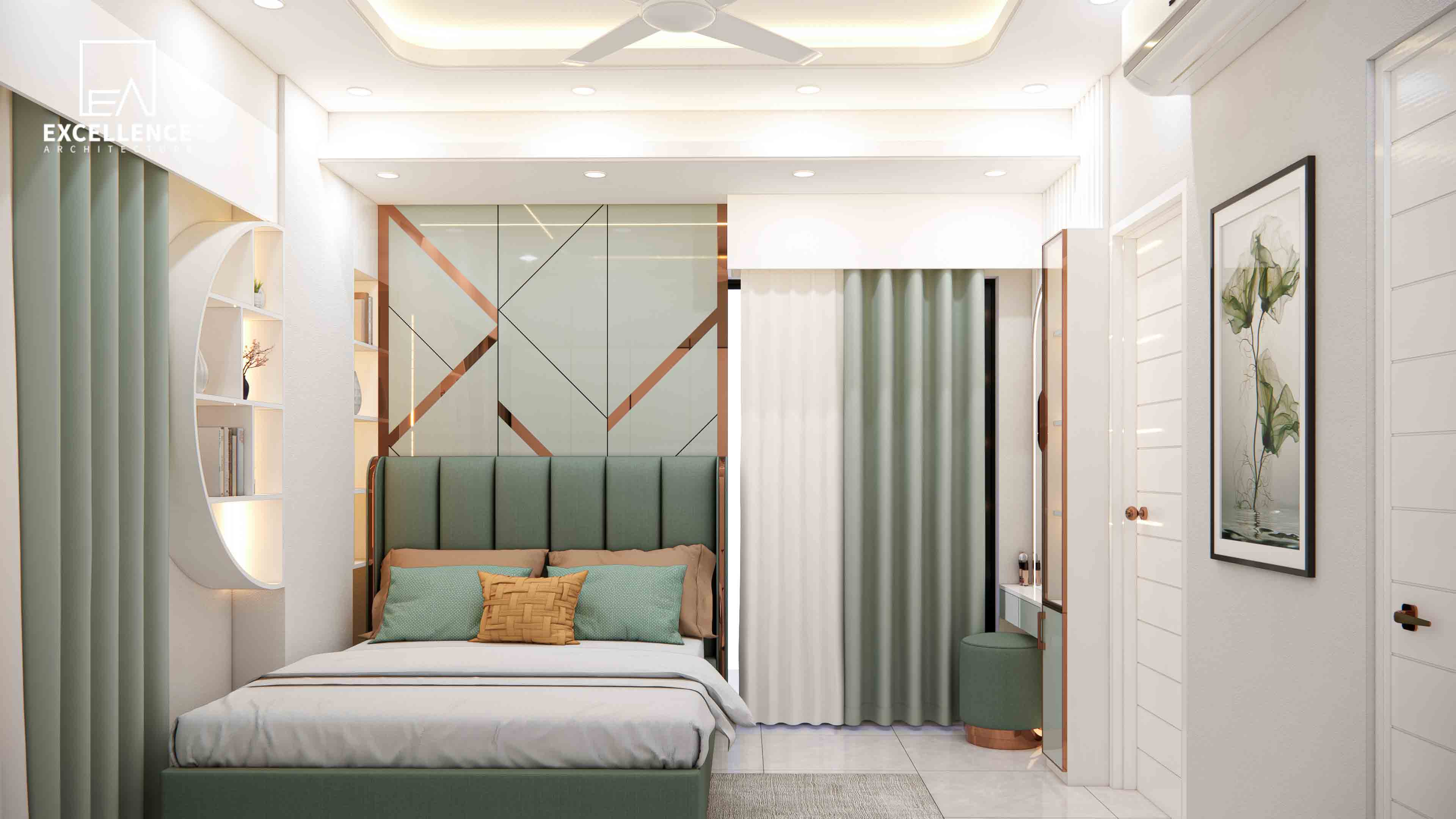
Designing a new apartment is an exciting milestone, but small oversights during the planning stage often lead to permanent design flaws, daily inconveniences, and costly rework. Understanding the most common interior mistakes helps you protect your investment and create a seamless, durable living space.
1. Choosing Cheap Core Boards for Wet Areas Using standard particle boards or regular MDF around kitchen sinks, dinner wagons, and bathroom vanities is one of the fastest ways to ruin cabinetry. Dhaka’s humidity causes untreated boards to swell within months. Always insist on High-Density Moisture-Resistant (HDMR) or Marine-grade boards for moisture-prone zones.
2. Inflexible Electrical & Switch Point Planning Many flat owners finalize false ceilings and wall paneling before mapping out their actual furniture layout. This leaves bedside charging points hidden behind headboards and TV console wiring visibly hanging. Always lock your 2D furniture layout before cutting electrical conduits.
3. Blocking Natural Ventilation and Daylight Dark wood finishes and heavy, opaque partitions near balcony entrances choke natural airflow and light. Using fluted glass sliding partitions and light neutral wall finishes keeps spaces airy while separating private and social zones.
4. Ignoring the Modular Kitchen Work Triangle A kitchen that looks beautiful in 3D can still be frustrating to use if the cooktop, sink, and refrigerator are placed too far apart or directly side-by-side without prep counter space. Maintain an ergonomic work triangle to ensure smooth food prep flow.
5. Relying on Single-Switch Central Lighting A single bright ceiling tube makes rooms feel flat and harsh. A functional lighting plan requires separate circuits for ambient cove LEDs, task lights over counters, and warm accent strips behind TV panels to suit different times of the day.
6. Buying Oversized Furniture for Compact Rooms Standard showroom furniture is often built for massive villas, not typical 1200–1400 sqft city flats. Bulky sofas and wide dining tables obstruct walking corridors. Custom-built modular furniture engineered to exact room dimensions preserves valuable walking space.
7. Starting On-Site Work Without a Line-Item BOQ Signing a contract based solely on a rough lump-sum estimate almost always leads to budget disputes and delayed handovers. An itemized Bill of Quantities (BOQ) detailing hardware brands, board thicknesses, and exact rates ensures complete financial control from day one.
Tired of interior budget ballooning midway? Discover red flags in vague contractor quotes, BOQ standards, and contract clauses to protect your Dhaka home investment.

Struggling with non-standard wall angles or narrow hallways in your Dhaka flat? Discover custom joinery, rounded furniture layouts, and spatial clearance rules.
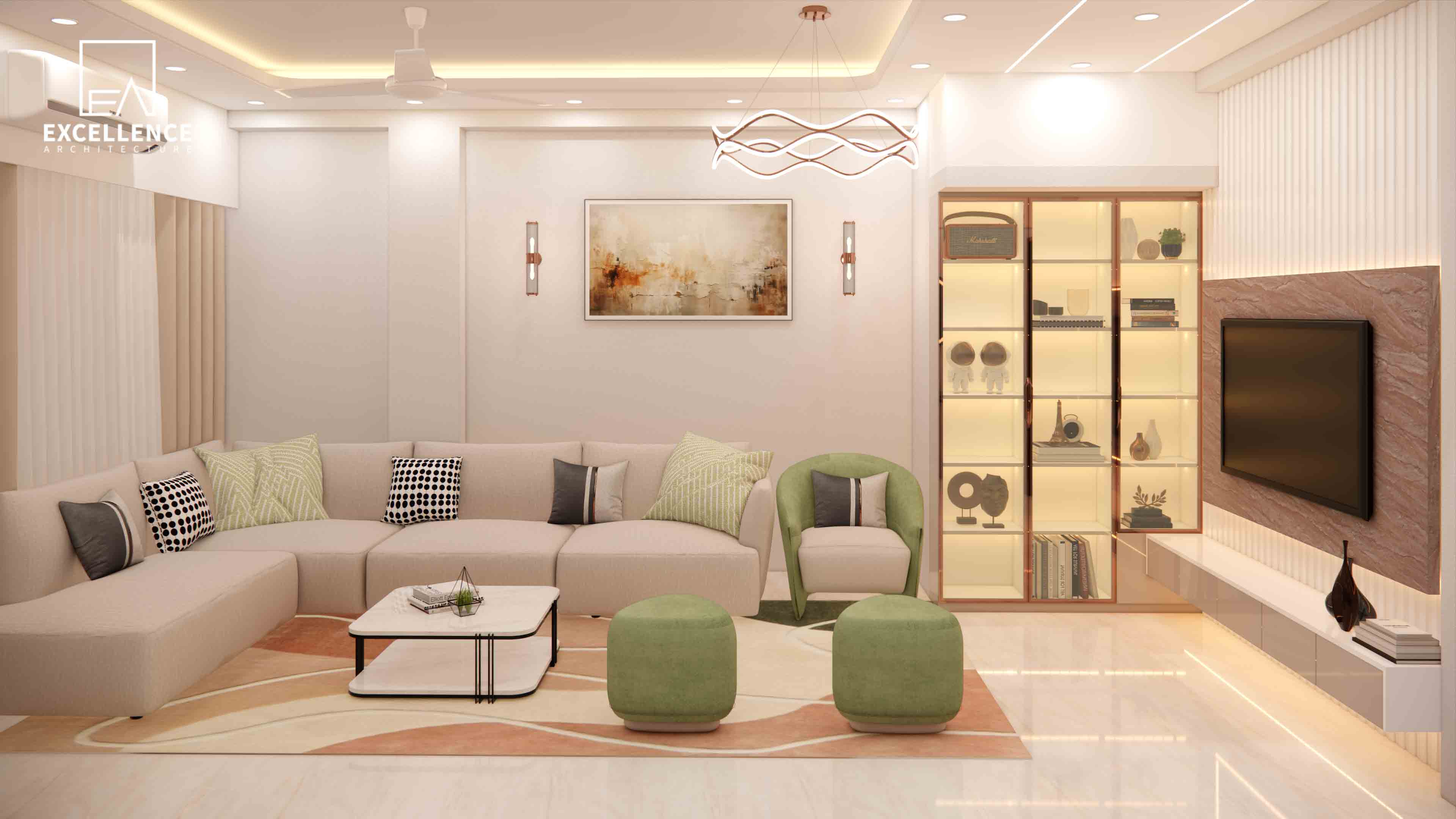
Living in an 8.5 ft low-ceiling Dhaka flat? Discover clever visual tricks, uplighting strategies, paint choices, and low-profile furniture layouts that make rooms feel lofty.
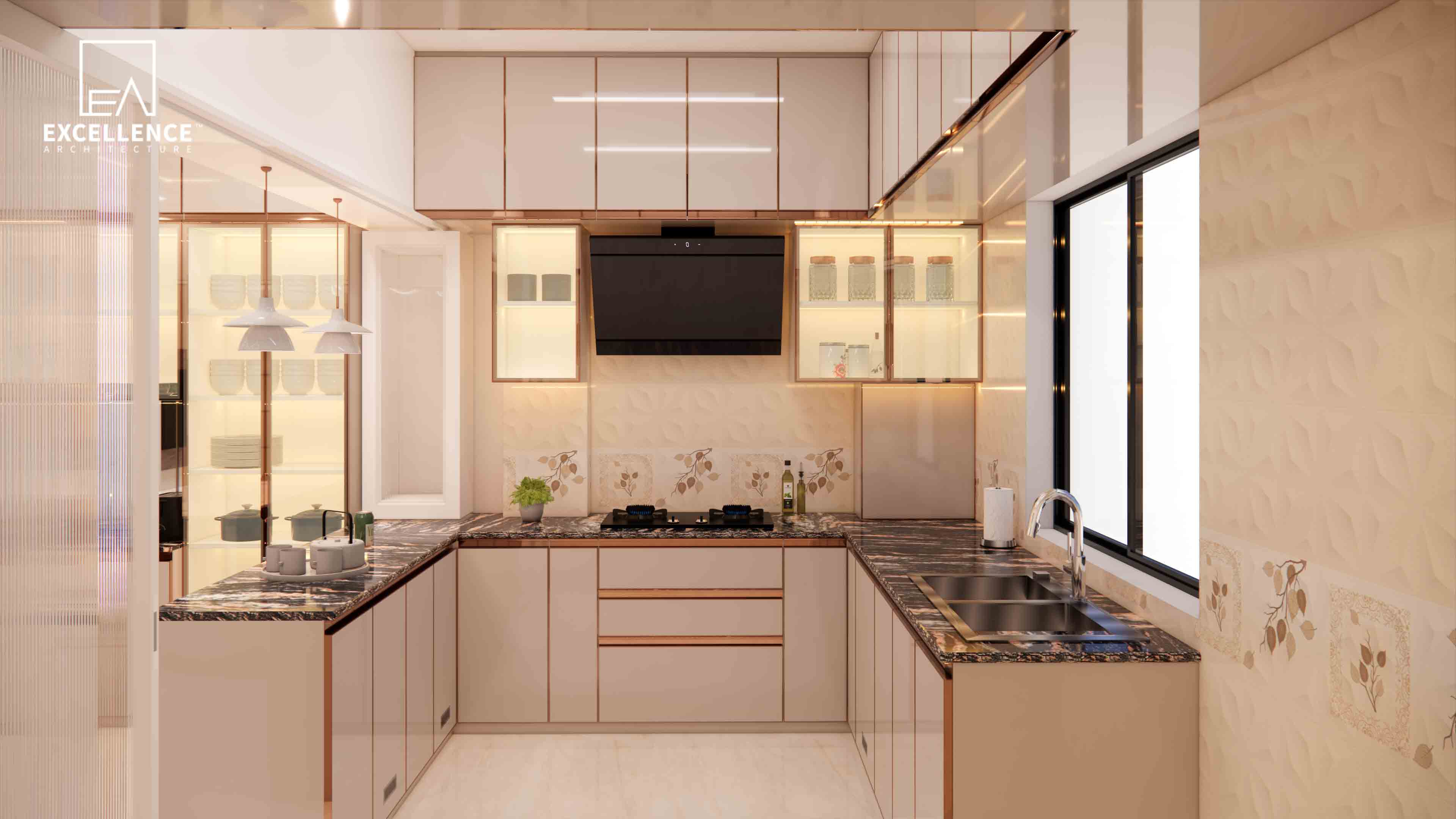
Tired of greasy kitchen wall stains? Discover easy-to-clean kitchen wall materials for Dhaka homes, including back-painted glass, porcelain slabs, and epoxy grout tips.
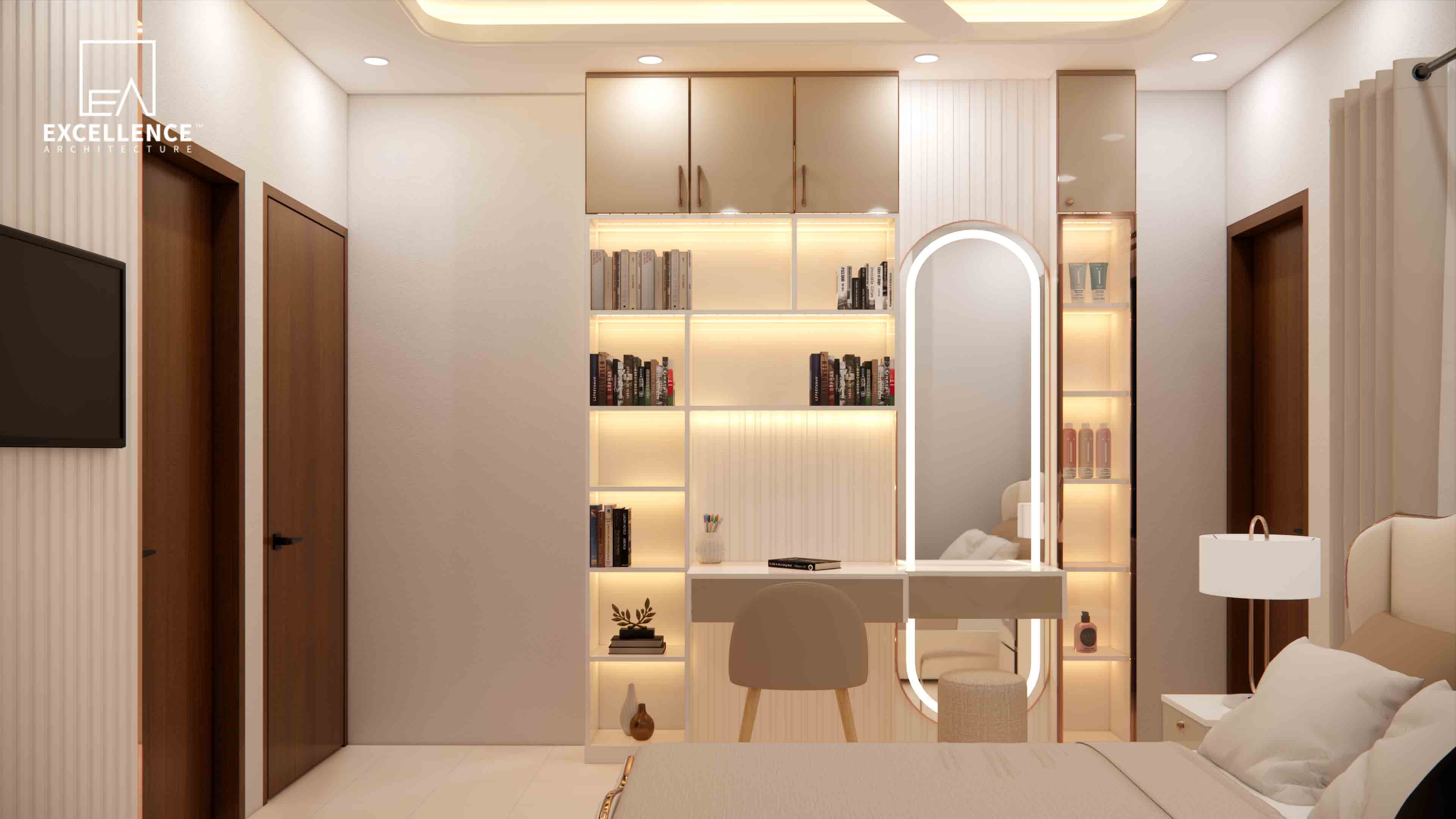
Overwhelmed by clutter in a compact Dhaka flat? Learn how hidden vertical storage, seamless lofting, over-door cabinets, and flush headboard storage free up floor space.
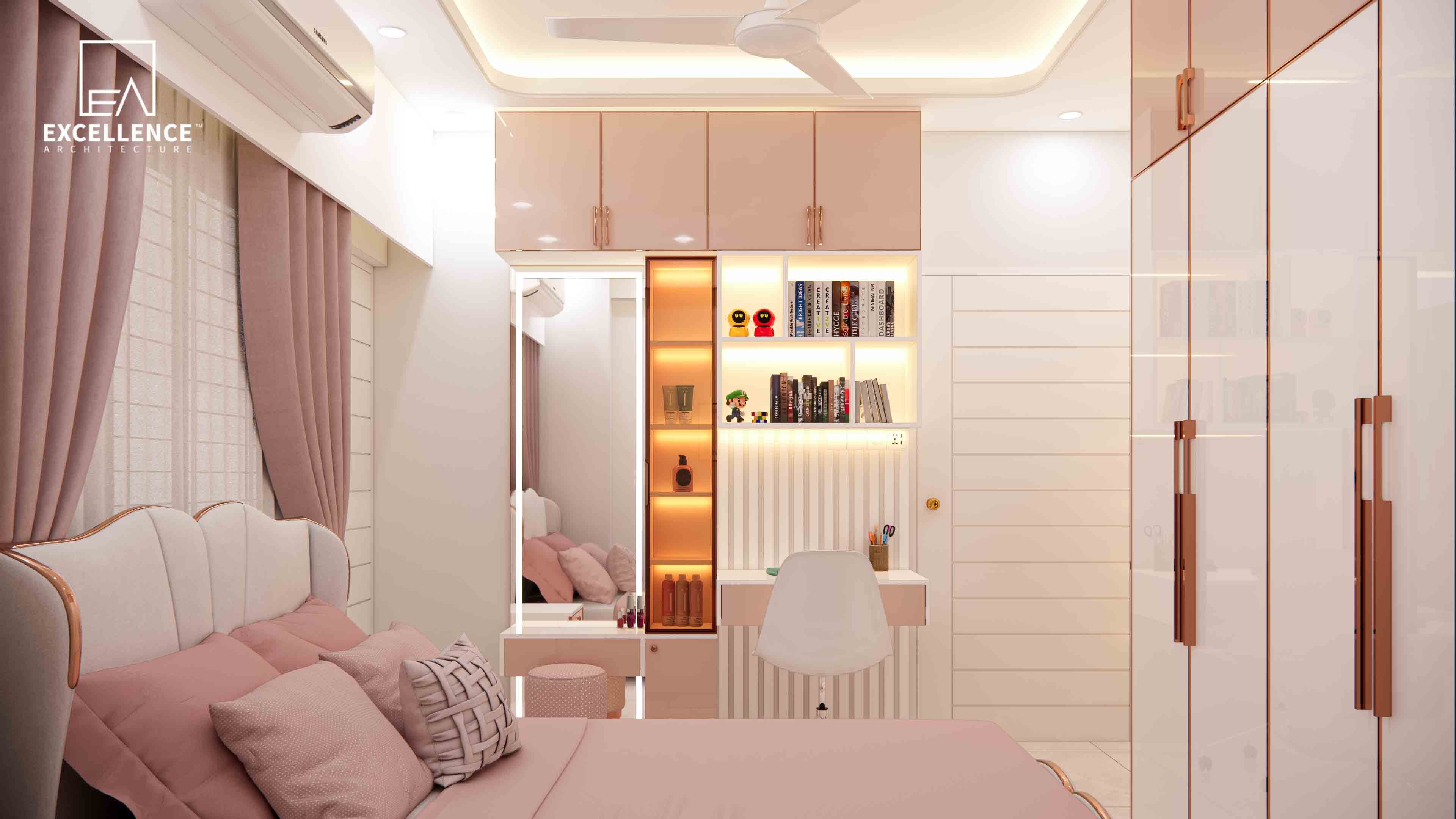
Fitting a King bed, wardrobe, and vanity in under 120 sqft? Learn smart layout tricks, built-in storage ideas, and clear walkway measurements for compact Dhaka flats.