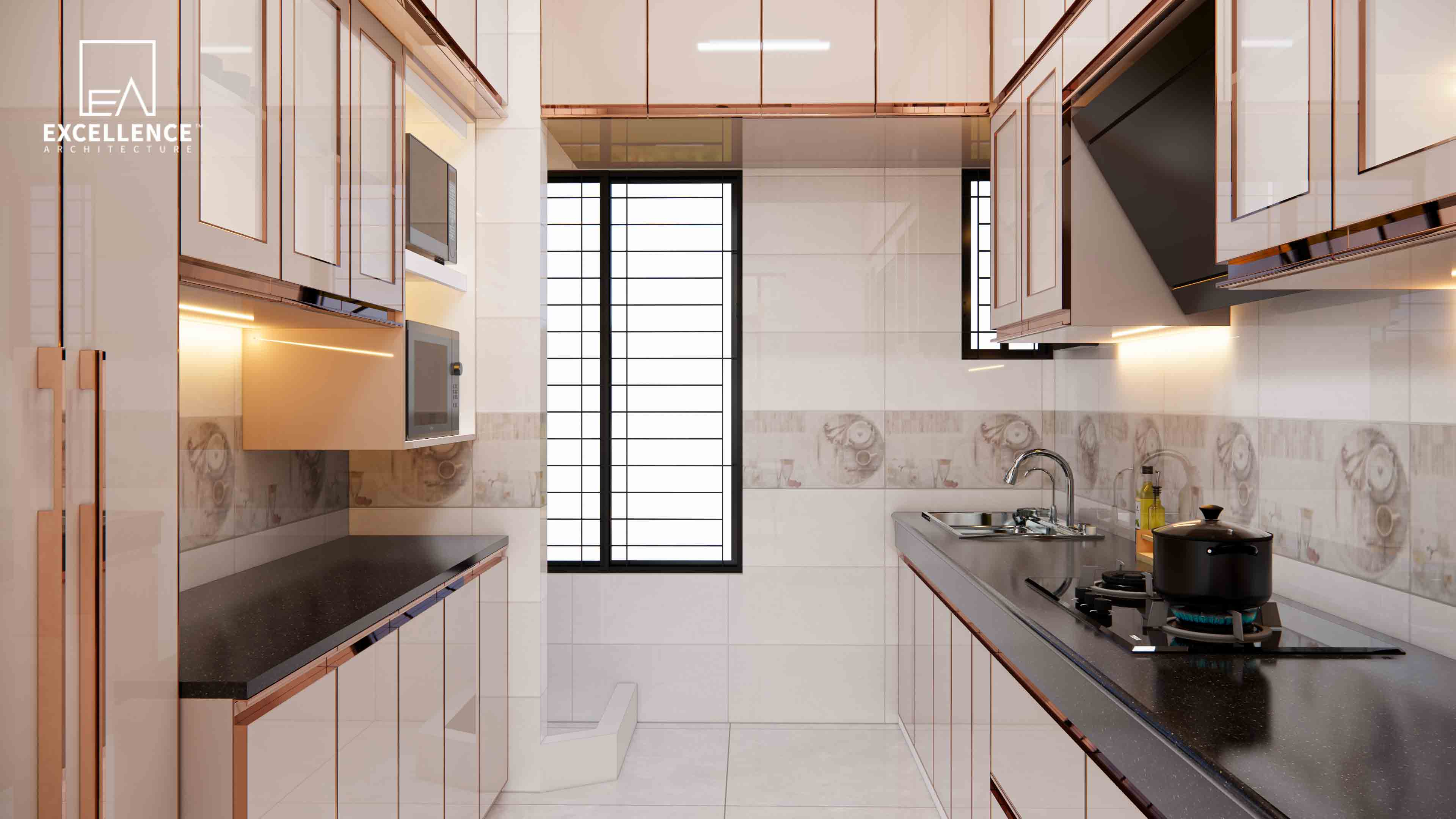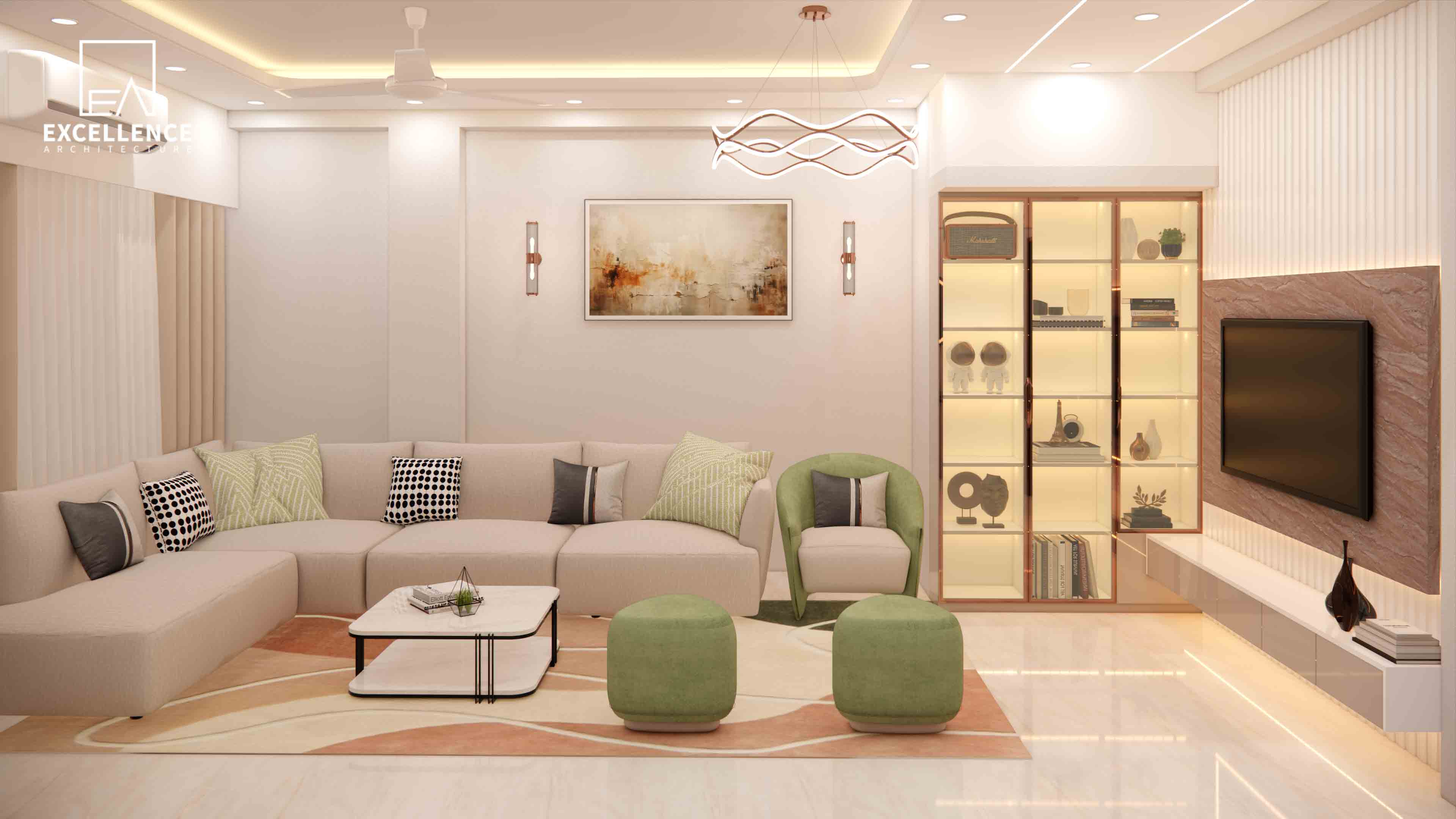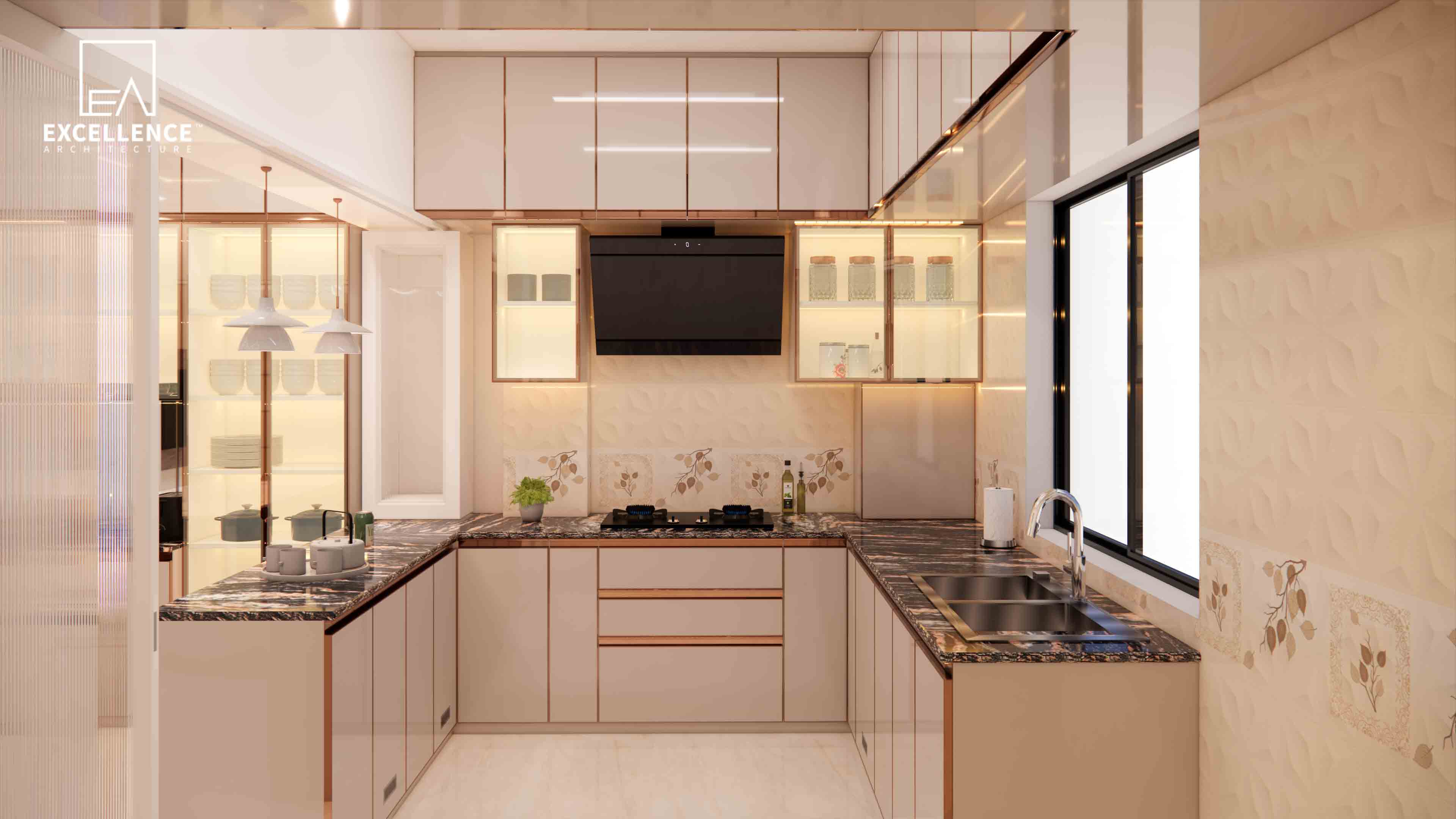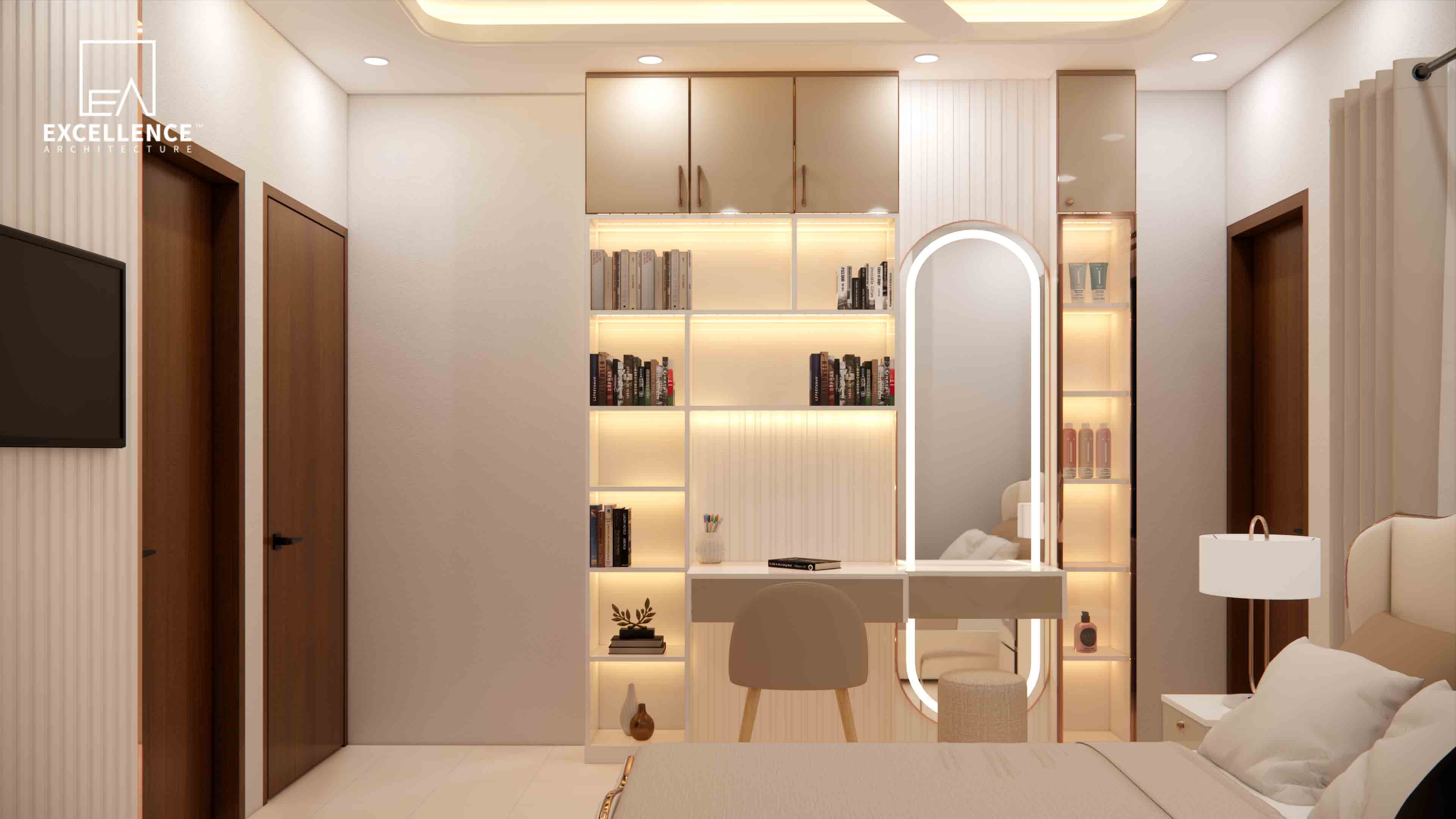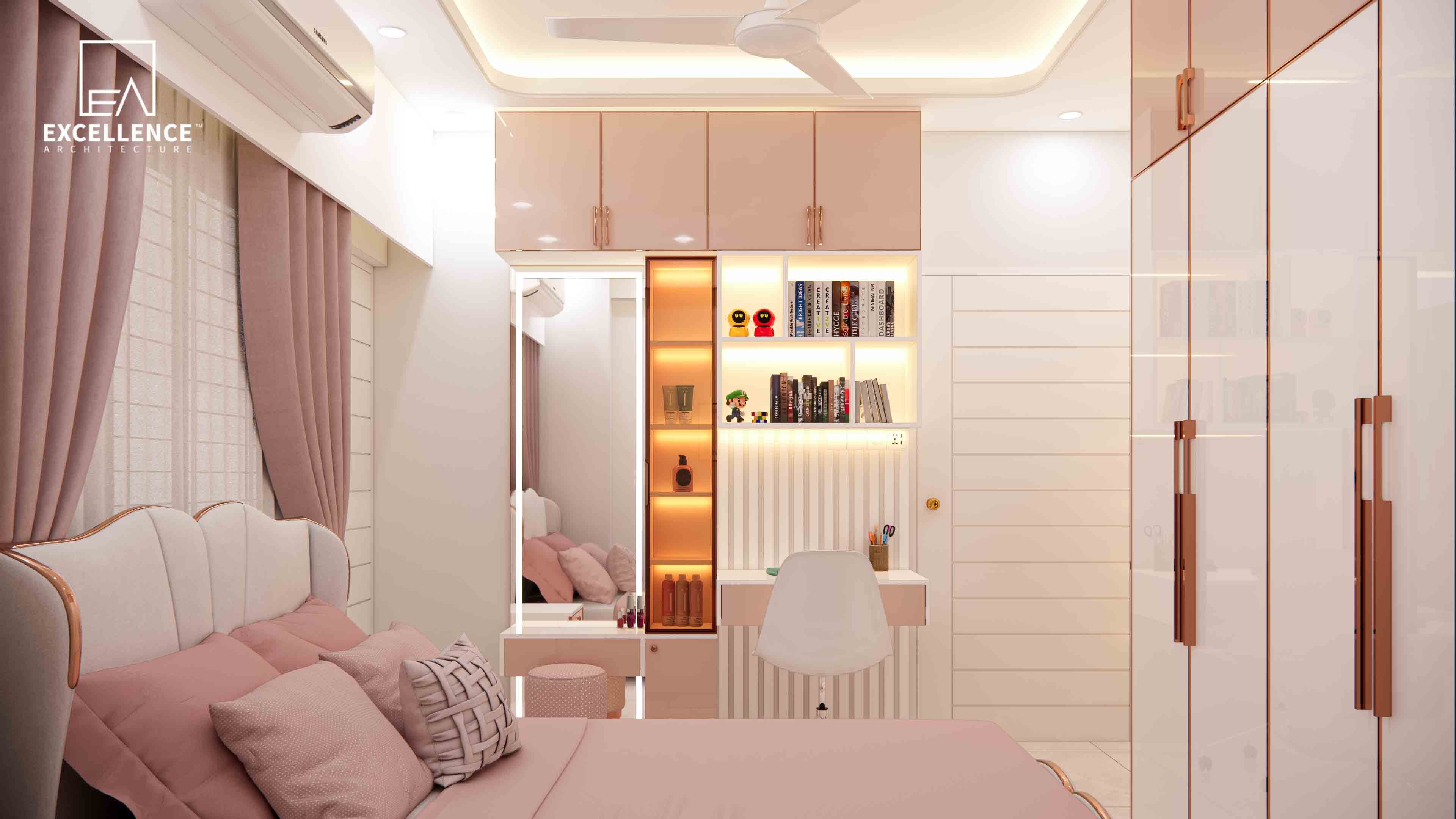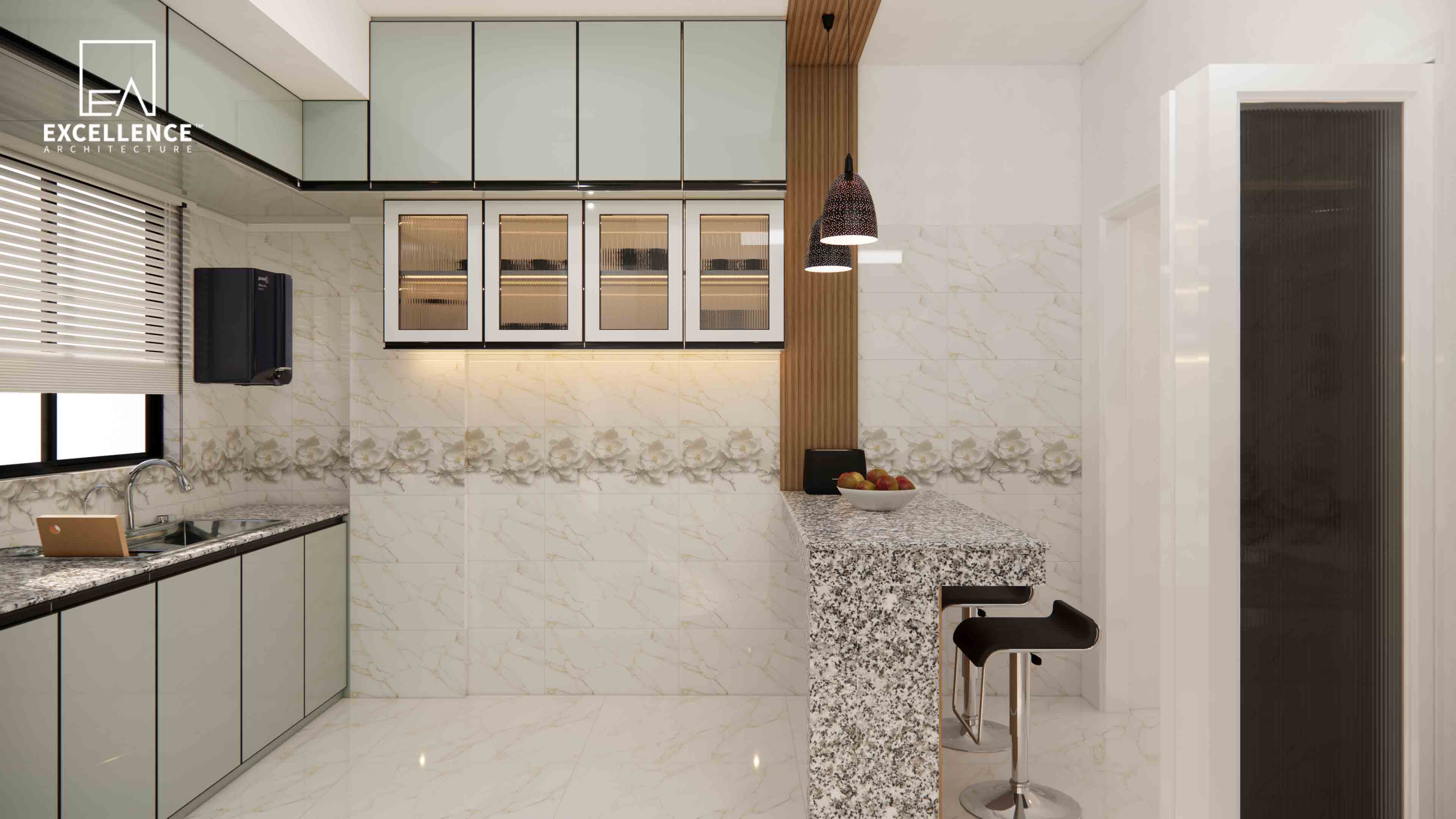
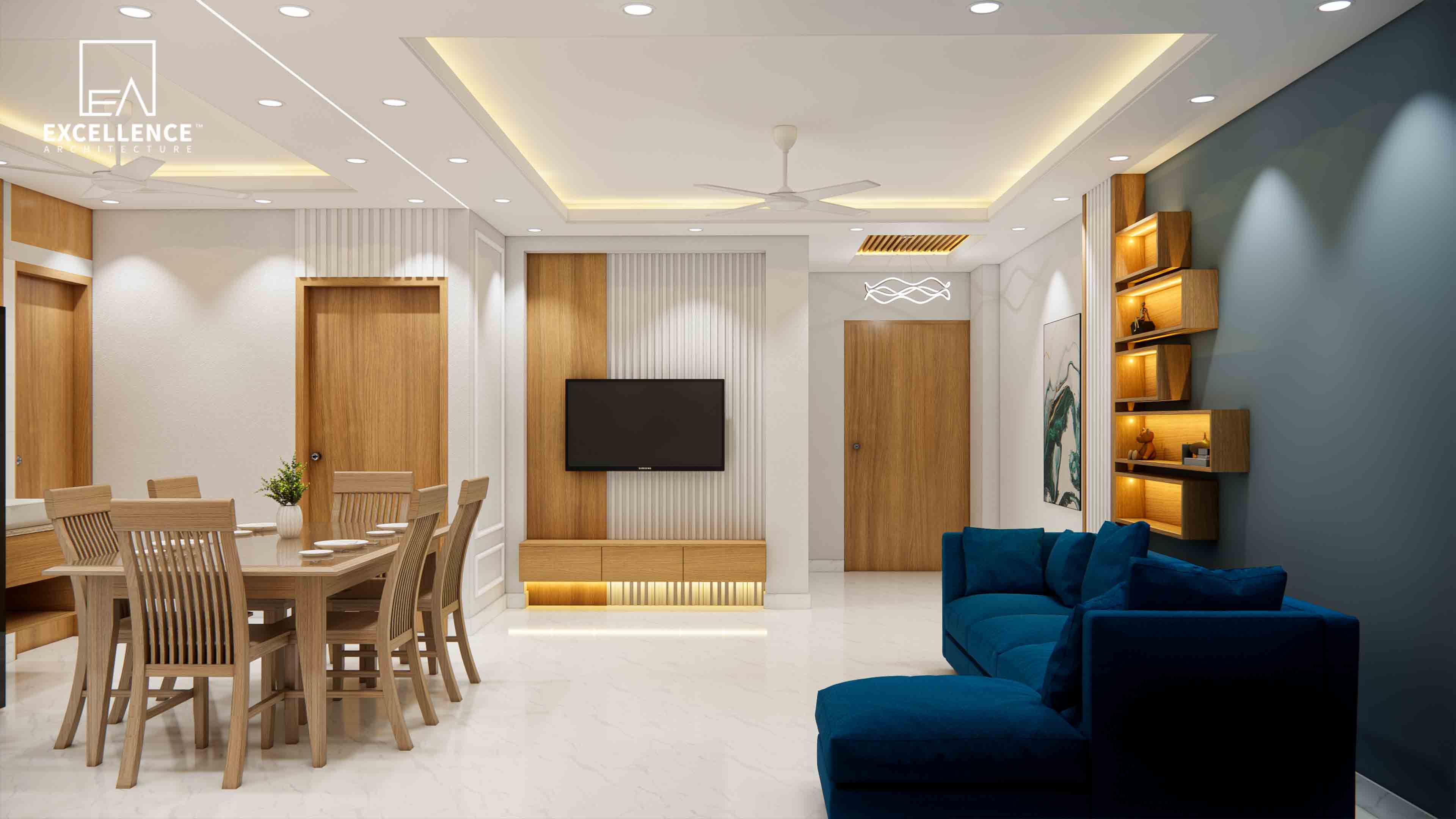
Choosing the right high-end finish for your kitchen cabinetry, wardrobe shutters, or custom furniture defines both the visual luxury and daily durability of your home. When moving beyond standard High-Pressure Laminate (HPL), the three heavyweights in premium interior design are Acrylic Sheets, Lacquer Finish, and Polyurethane (PU) Paint.
While all three options deliver an upscale look, their underlying chemistry, scratch resistance, heat tolerance, and maintenance needs differ significantly.
At Excellence Architecture, we help homeowners navigate premium material choices to create bespoke interiors that withstand Dhaka’s climate.
Here is a clear breakdown to guide your cabinet finish selection:
Core Comparison: Acrylic vs. Lacquer vs. PU Paint
- Material & Application Type:
- Acrylic Finish: High-gloss or matte synthetic sheet pressed onto board carcasses.
- Lacquer Finish: Solvent-based resin coating sprayed in multiple thin layers and buffed.
- PU (Polyurethane) Paint: Dual-component polymer resin spray system cured in a controlled booth.
- Visual Depth & Aesthetics:
- Acrylic Finish: Mirror-like, ultra-glossy reflections or clean, flat matte surfaces.
- Lacquer Finish: Smooth, rich sheen with a subtle, velvety, soft-touch charm.
- PU (Polyurethane) Paint: Exceptional depth of color with completely customizable gloss levels (from deep matte to 100% high-gloss).
- Scratch & Impact Resistance:
- Acrylic Finish: Moderate to High (high-gloss acrylic can show minor hairline scuffs under direct light).
- Lacquer Finish: Moderate (prone to chipping under heavy physical impacts).
- PU (Polyurethane) Paint: Very High (highly resistant to daily impacts, abrasion, and heavy wear).
- Moisture & Heat Resistance:
- Acrylic Finish: High water resistance; moderate heat tolerance.
- Lacquer Finish: Moderate moisture resistance; lower heat tolerance in damp zones.
- PU (Polyurethane) Paint: Superior water, stain, chemical, and steam resistance.
- Color Yellowing Over Time:
- Acrylic Finish: Non-yellowing (100% UV resistant, maintaining crisp whites for years).
- Lacquer Finish: Prone to subtle yellowing if exposed to direct sunlight over time.
- PU (Polyurethane) Paint: Non-yellowing when high-grade, UV-stable acrylic-PU formulations are used.
- Repairability & Maintenance:
- Acrylic Finish: Difficult to repair locally; damaged panels usually require full sheet replacement.
- Lacquer Finish: Easy to touch up, spot-repair, and re-polish locally.
- PU (Polyurethane) Paint: Moderate; requires professional sanding and re-spraying by skilled technicians.
Detailed Breakdown of Cabinet Finishes
1. Acrylic Finish: The Mirror-Like Modernist
Acrylic is a premium synthetic sheet applied over a moisture-resistant Garjan Plywood or high-density MDF carcass, sealed with seamless edge-banding.
- Pros: Delivers an intense, flawless mirror-like gloss that makes small or dark kitchens feel significantly brighter and larger. It is completely UV-resistant, ensuring white cabinets stay crisp without fading.
- Cons: Fingerprints and smudges show easily on high-gloss acrylic surfaces (requiring regular wiping). Edge lines can be visible unless zero-joint laser edge-banding is utilized.
- Best Used For: Contemporary kitchen upper cabinets, modern wardrobes, and sleek media units in Gulshan, Dhanmondi, or Banani apartments.
2. Lacquer Finish: The Elegant Classic
Lacquer is a classic coating applied via multiple thin spray layers, followed by hand buffing to achieve a smooth, seamless seal.
- Pros: Provides a warm, smooth-to-the-touch finish with zero visible seams or edge-banding. Ideal for intricate routed door patterns (such as classic Shaker-style profile doors) where flat sheets cannot curve.
- Cons: Less resilient against hard impacts, extreme heat, or standing water. Over time, constant exposure to direct sunlight can cause lighter shades to yellow slightly.
- Best Used For: Classic shaker-style kitchen shutters, bedroom vanities, and decorative wall paneling in low-moisture zones.
3. PU (Polyurethane) Paint: The Indestructible Luxury Standard
PU paint is a heavy-duty, two-part coating system (resin + hardener) sprayed in a specialized booth. It cures into a tough, completely seamless protective shell over MDF or engineered wood.
- Pros: Offers unmatched durability, chemical resistance, and limitless color customization (any custom shade from ultra-matte to liquid-gloss). Because it wraps around routed edges and door profiles seamlessly, there are zero joints for moisture or steam to penetrate.
- Cons: Higher investment cost due to specialized spray-booth equipment, multi-coat curing processes, and labor-intensive application.
- Best Used For: High-end kitchen base cabinets, luxury bathroom vanities, high-traffic corporate interiors, and bespoke feature doors.
Summary & Final Recommendation
- Choose Acrylic if you want a striking, mirror-finish modern look with zero risk of color fading and straightforward daily wiping.
- Choose Lacquer if you prefer a subtle, elegant sheen for carved or shaker-style doors in dry interior areas.
- Choose PU Paint if you want the absolute highest standard of luxury, seamless edge protection, custom colors, and maximum resistance against water, heat, and scratches.
Upgrading your kitchen or custom cabinetry in Dhaka?
Contact Excellence Architecture today to get your Free 2D Floor Plan and explore our premium material samples!