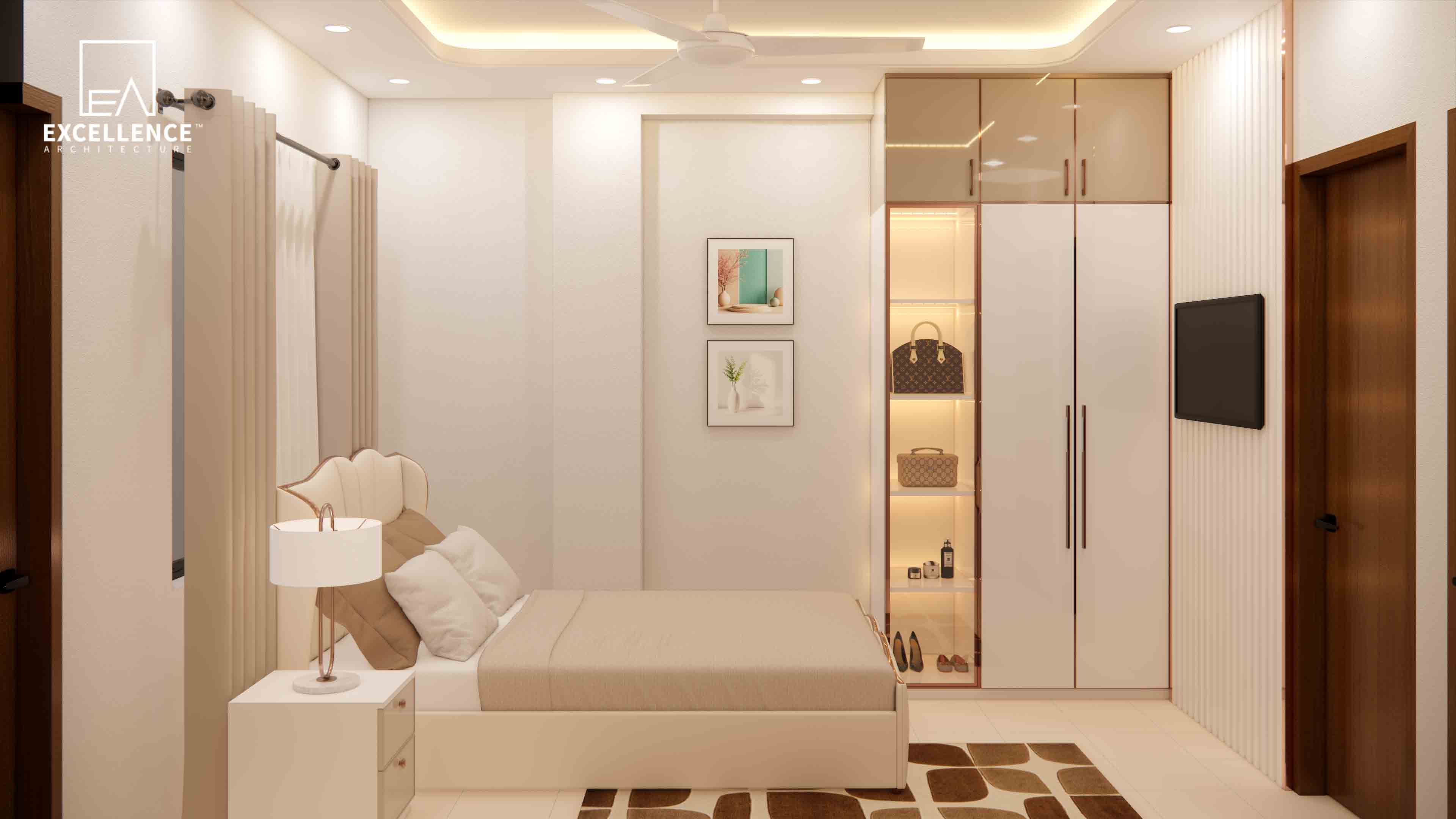
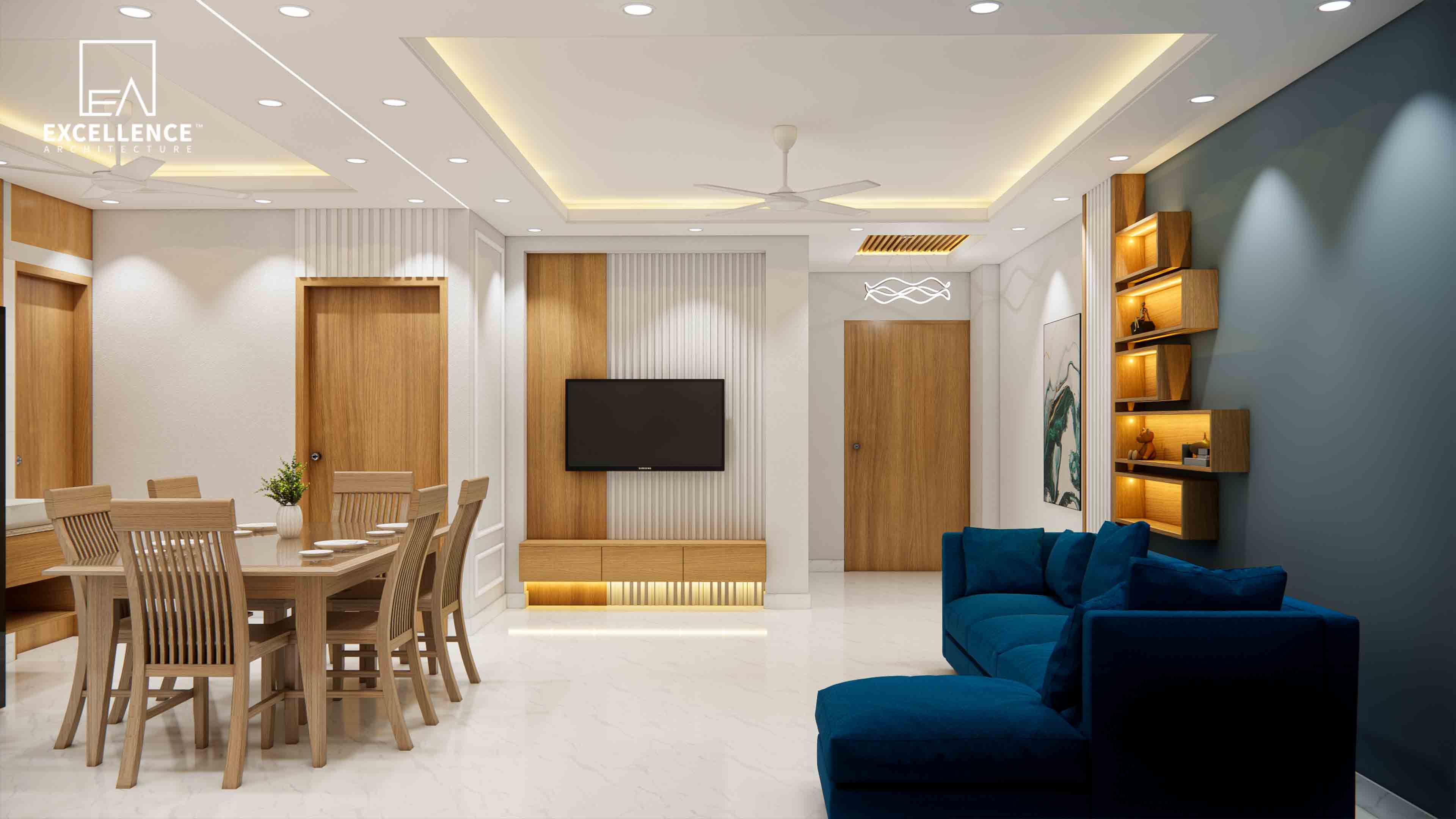
Tired of interior budget ballooning midway? Discover red flags in vague contractor quotes, BOQ standards, and contract clauses to protect your Dhaka home investment.
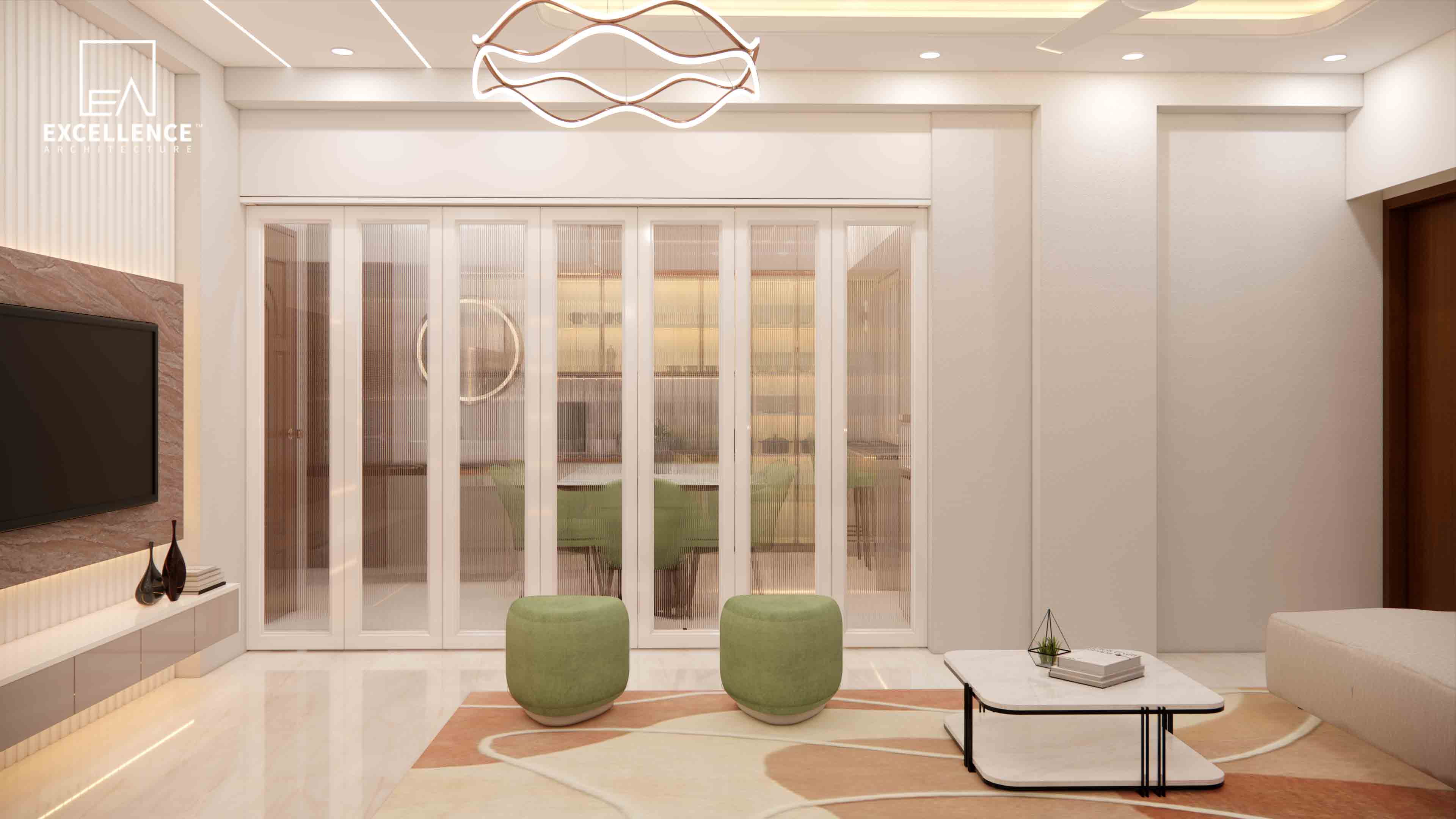
Structural columns, low-hanging ceiling beams, and exposed air conditioner copper piping are common spatial challenges in Dhaka apartments. Rather than viewing these elements as flaws, modern interior design integrates them into functional architectural features or conceals them using smart joinery and lighting.
At Excellence Architecture, we specialize in turning structural obstacles into high-end design elements using customized coffered ceilings, fluted louvers, mirror cladding, and concealed utility conduits.
Here is our architectural guide to hiding or aesthetically boosting exposed beams, columns, and AC utility pipes:
Exposed beams disrupt ceiling symmetry and lower visual clearance. Instead of dropping the entire room ceiling—which sacrifices valuable room height—use these spatial integration techniques:
A standalone column in the middle of a room or protruding from a main wall can be transformed into a functional furniture anchor:
Exposed white plastic wrapping, copper tubes, and water drain hoses running down interior walls immediately degrade a room's aesthetic:
Always wrap copper AC lines in high-density closed-cell rubber insulation (such as Armaflex) before enclosing them inside wooden paneling or gypsum boxes. Uninsulated copper pipes sweat during humid monsoons, causing hidden water damage to surrounding woodwork.
Hiding beams, columns, and AC pipes isn't just about masking flaws—it's an opportunity to introduce texture, functional storage, and architectural depth to your home.
Dealing with awkward beams or exposed pipes in your Dhaka flat?
Contact Excellence Architecture today to request your Free 2D Floor Plan and schedule an interior consultation with our architects!
Tired of interior budget ballooning midway? Discover red flags in vague contractor quotes, BOQ standards, and contract clauses to protect your Dhaka home investment.

Struggling with non-standard wall angles or narrow hallways in your Dhaka flat? Discover custom joinery, rounded furniture layouts, and spatial clearance rules.
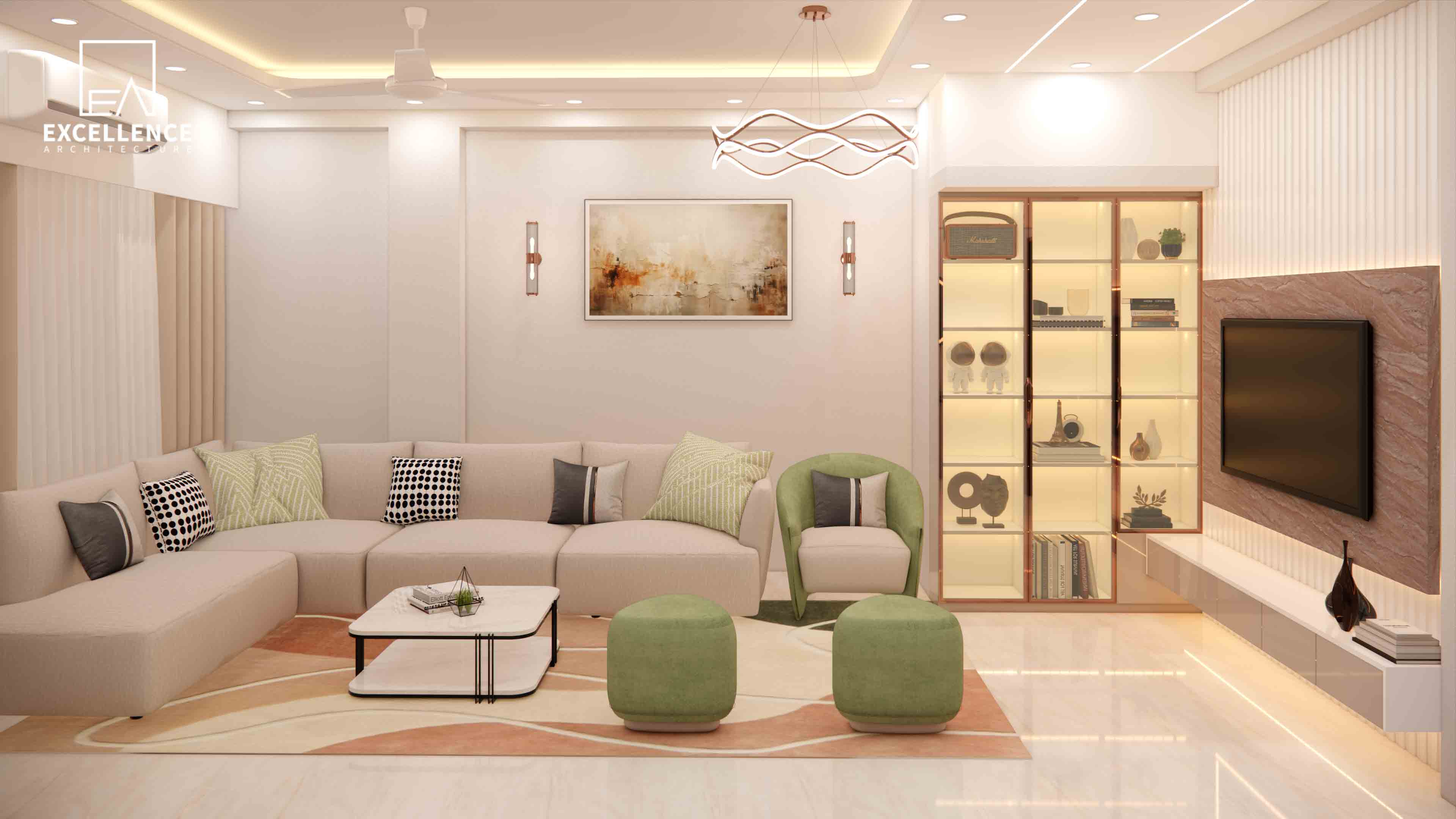
Living in an 8.5 ft low-ceiling Dhaka flat? Discover clever visual tricks, uplighting strategies, paint choices, and low-profile furniture layouts that make rooms feel lofty.
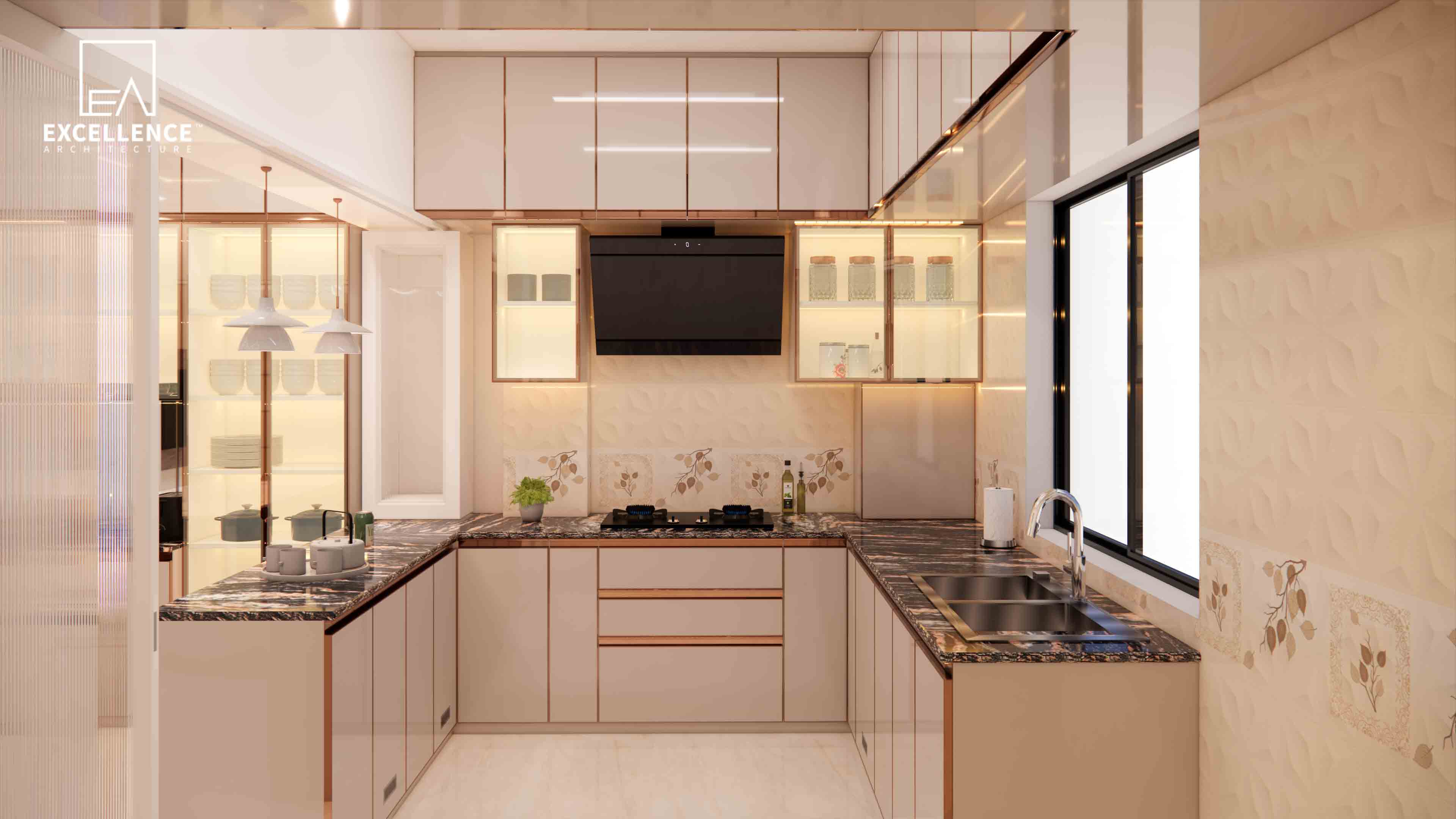
Tired of greasy kitchen wall stains? Discover easy-to-clean kitchen wall materials for Dhaka homes, including back-painted glass, porcelain slabs, and epoxy grout tips.
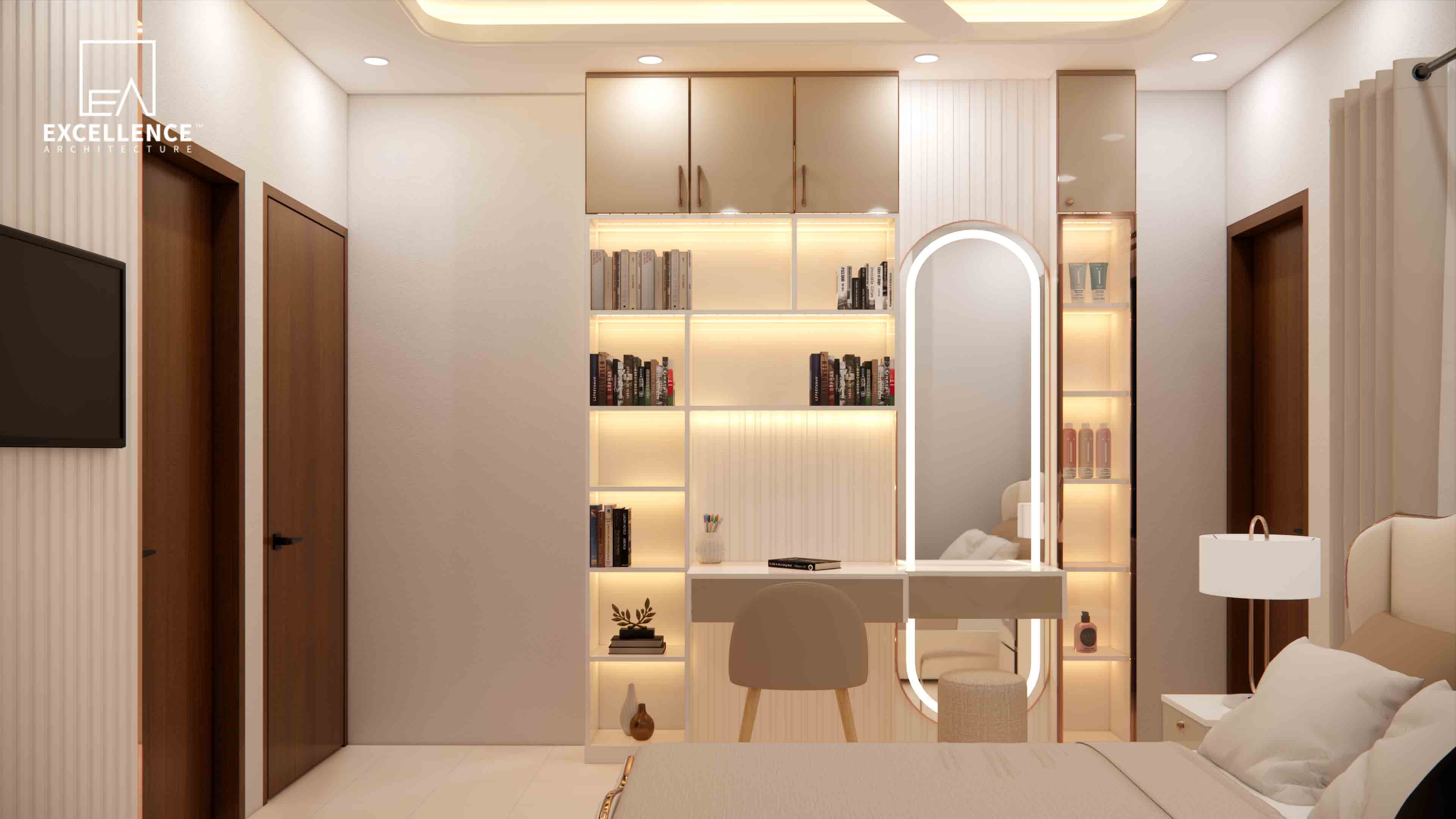
Overwhelmed by clutter in a compact Dhaka flat? Learn how hidden vertical storage, seamless lofting, over-door cabinets, and flush headboard storage free up floor space.
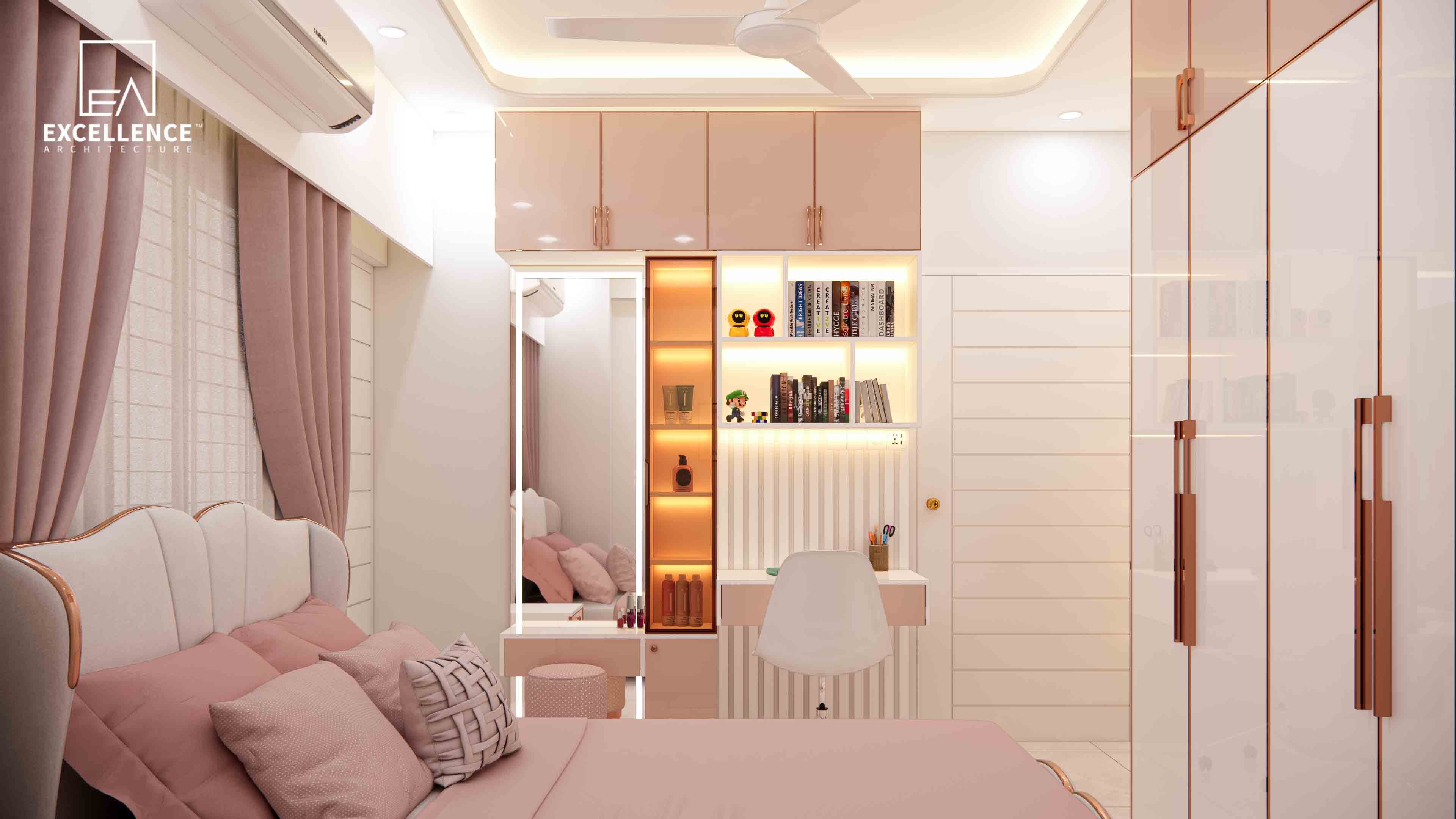
Fitting a King bed, wardrobe, and vanity in under 120 sqft? Learn smart layout tricks, built-in storage ideas, and clear walkway measurements for compact Dhaka flats.