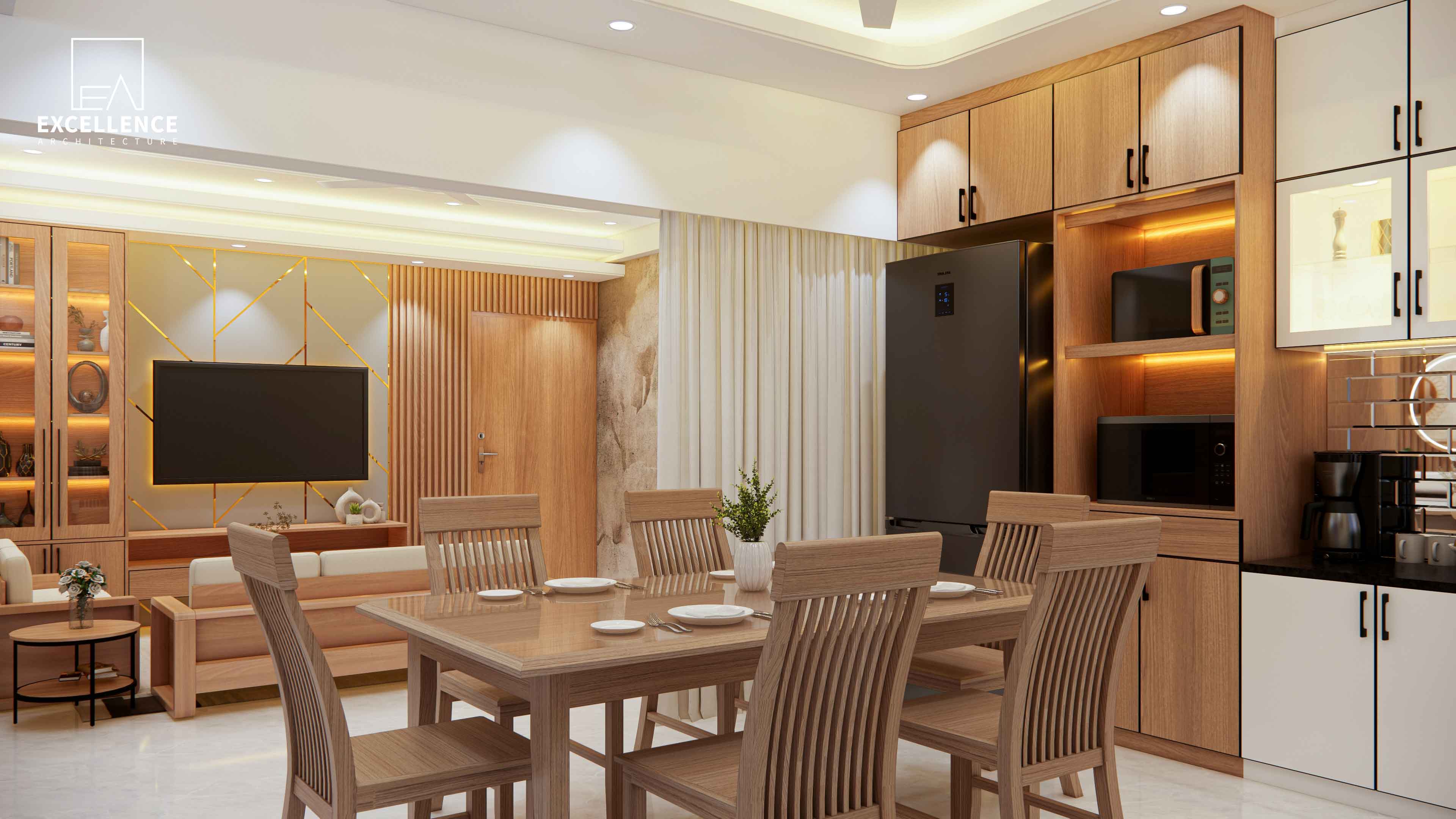
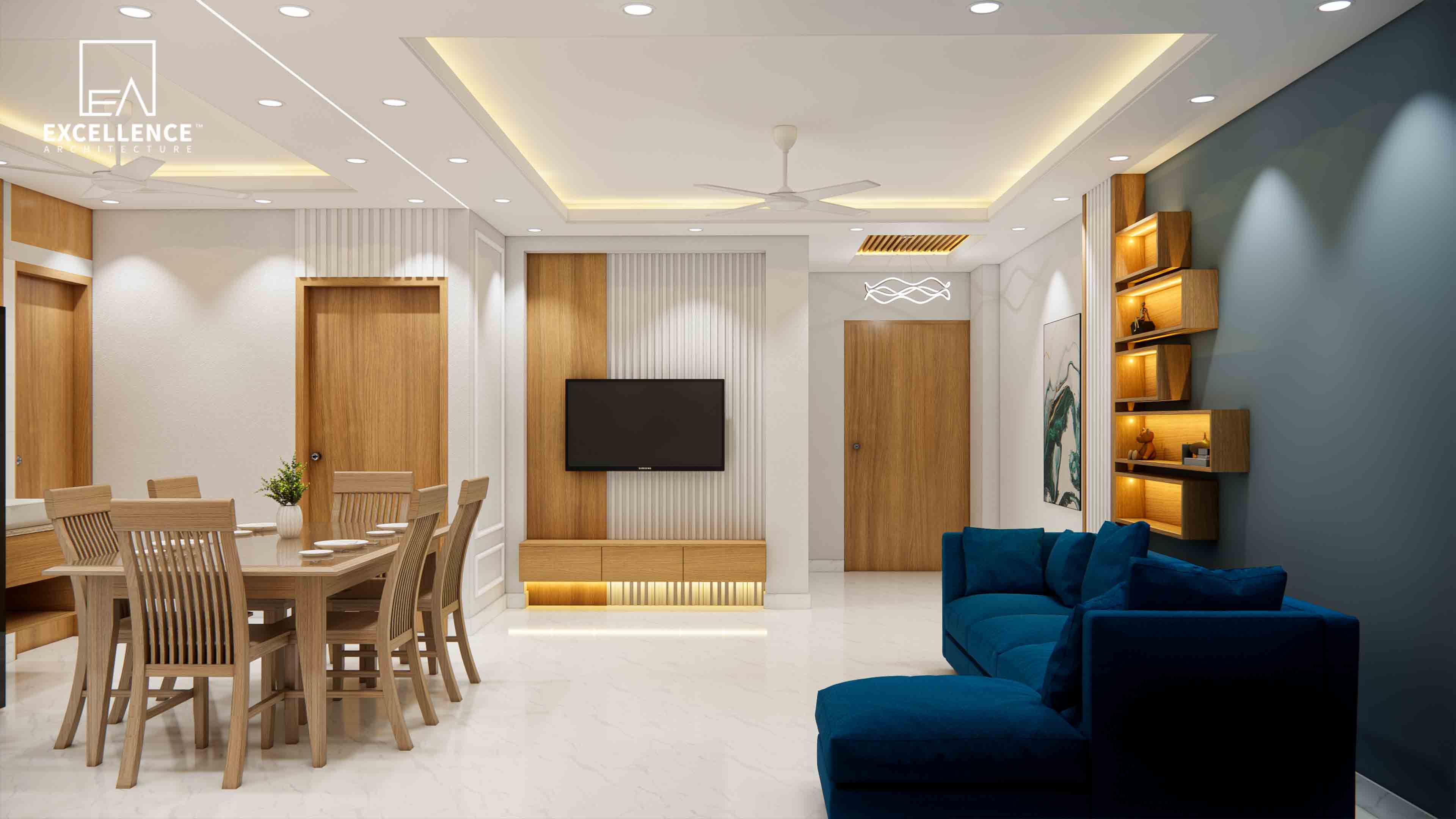
Tired of interior budget ballooning midway? Discover red flags in vague contractor quotes, BOQ standards, and contract clauses to protect your Dhaka home investment.
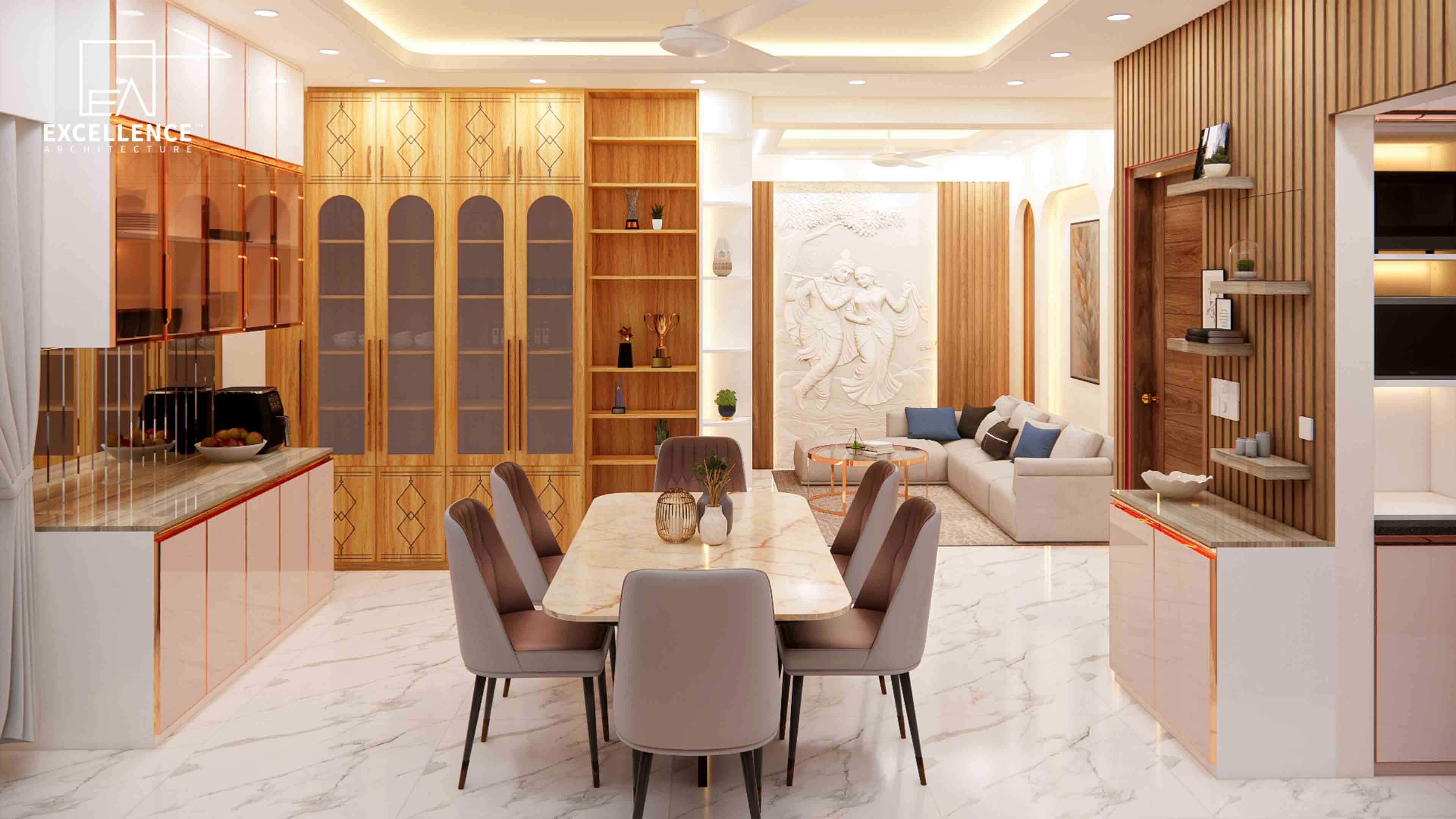
Termites and trapped moisture are two of the biggest threats to modular home furniture in Bangladesh's humid climate. Protecting your furniture investment requires choosing the right core materials, ensuring proper sealing during manufacturing, and following preventive installation rules.
At Excellence Architecture, we engineer factory-finished modular furniture using moisture-resistant core boards, 100% hot-melt edge sealing, and anti-termite chemical barriers designed specifically for Dhaka flats.
Here is our complete technical guide to termite-proofing and waterproofing your modular home furniture:
The durability of modular furniture relies on the core board beneath the decorative surface. While High-Pressure Laminate (HPL) or wood veneer protects the exterior, selecting the right internal core board prevents structural decay:
If termite infestation is detected anywhere on site, treat the entire floor area professionally before installing modular units. Installing new furniture over an active termite colony will compromise even treated plywood over time.
Protecting your modular furniture requires a combination of high-grade core materials, precision edge sealing, and proactive damp-proofing during installation.
Planning a modular kitchen or wardrobe interior in Dhaka?
Contact Excellence Architecture today to request your Free 2D Floor Plan and consult with our interior specialists!
Tired of interior budget ballooning midway? Discover red flags in vague contractor quotes, BOQ standards, and contract clauses to protect your Dhaka home investment.

Struggling with non-standard wall angles or narrow hallways in your Dhaka flat? Discover custom joinery, rounded furniture layouts, and spatial clearance rules.
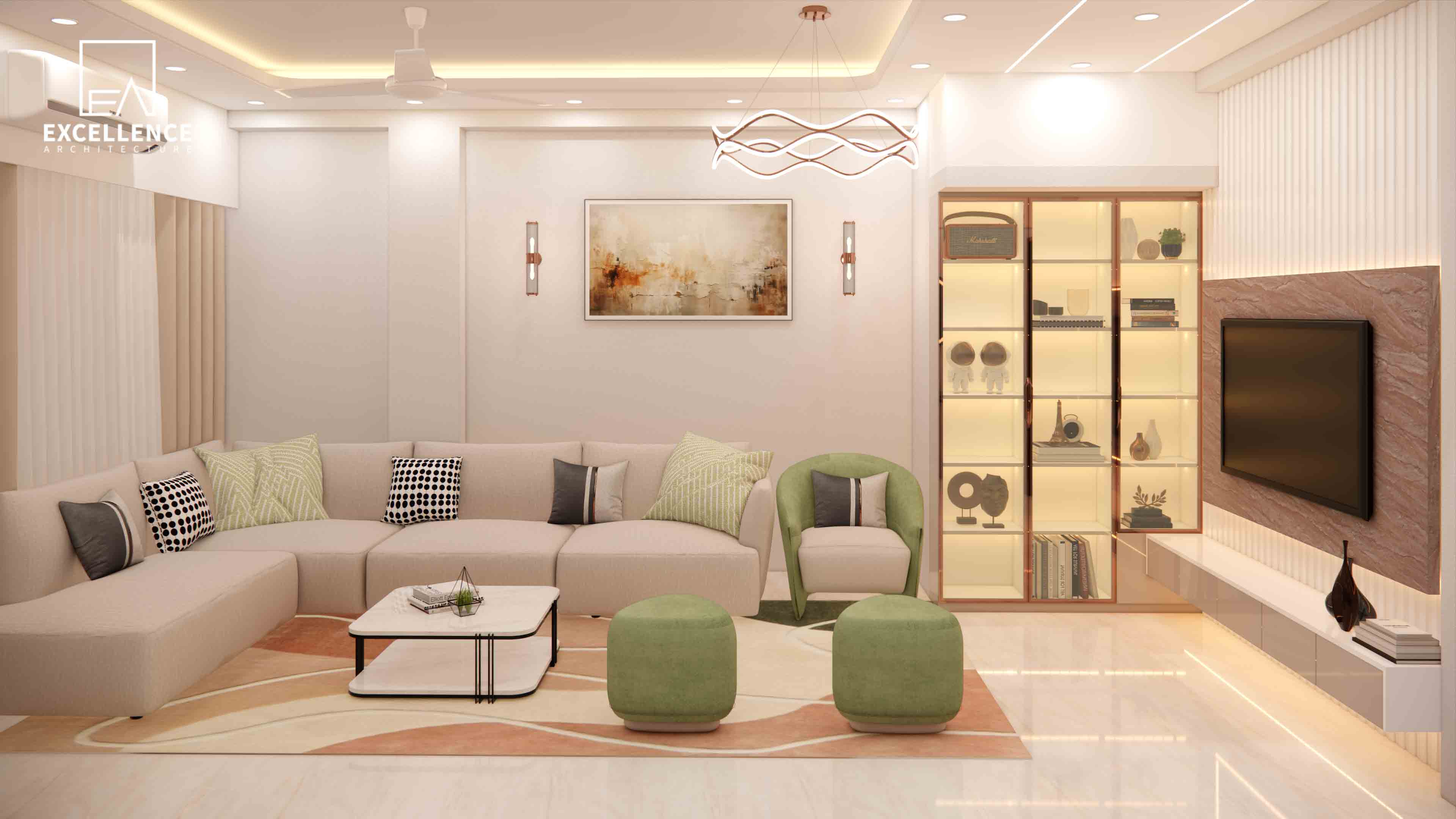
Living in an 8.5 ft low-ceiling Dhaka flat? Discover clever visual tricks, uplighting strategies, paint choices, and low-profile furniture layouts that make rooms feel lofty.
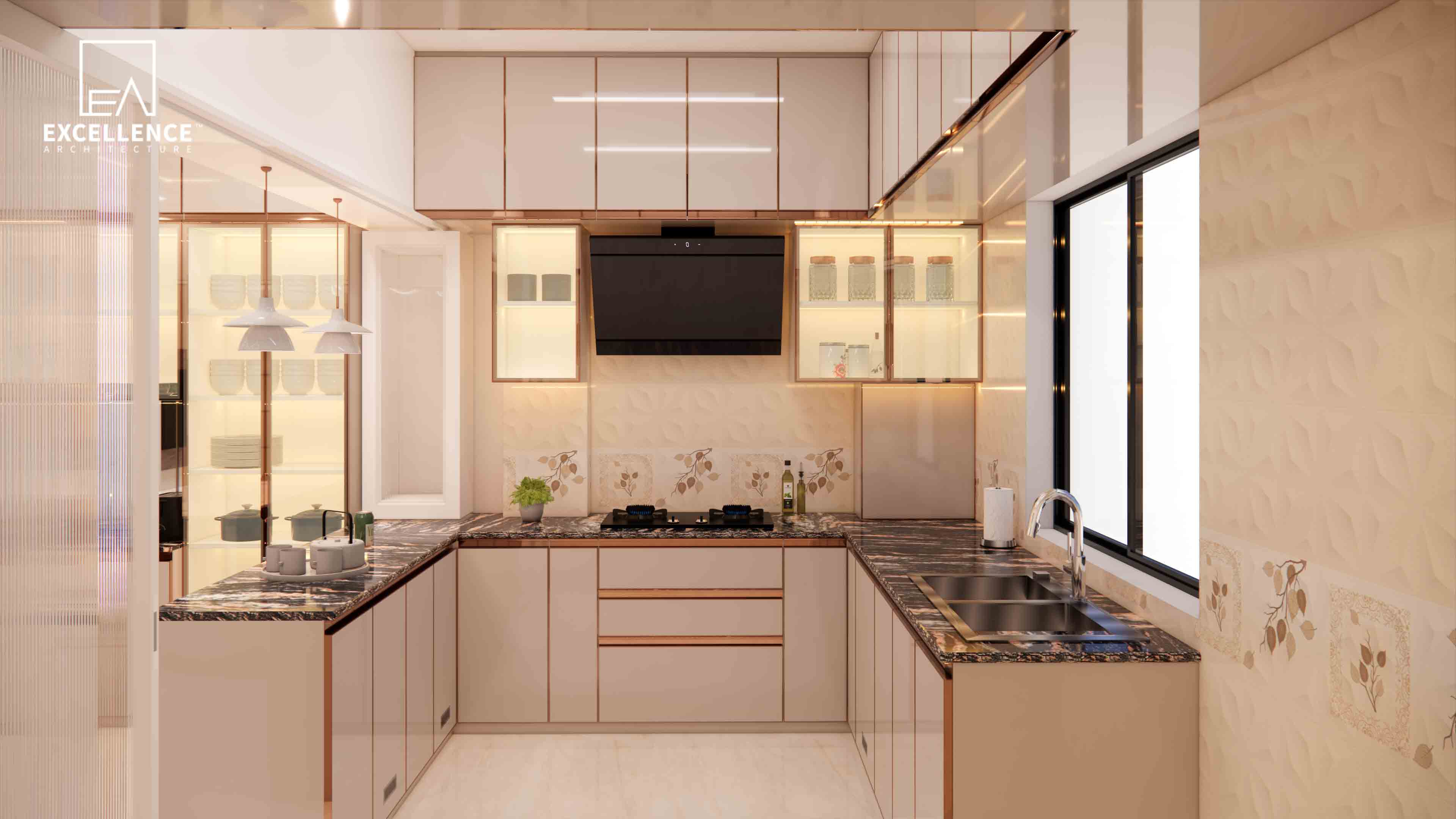
Tired of greasy kitchen wall stains? Discover easy-to-clean kitchen wall materials for Dhaka homes, including back-painted glass, porcelain slabs, and epoxy grout tips.
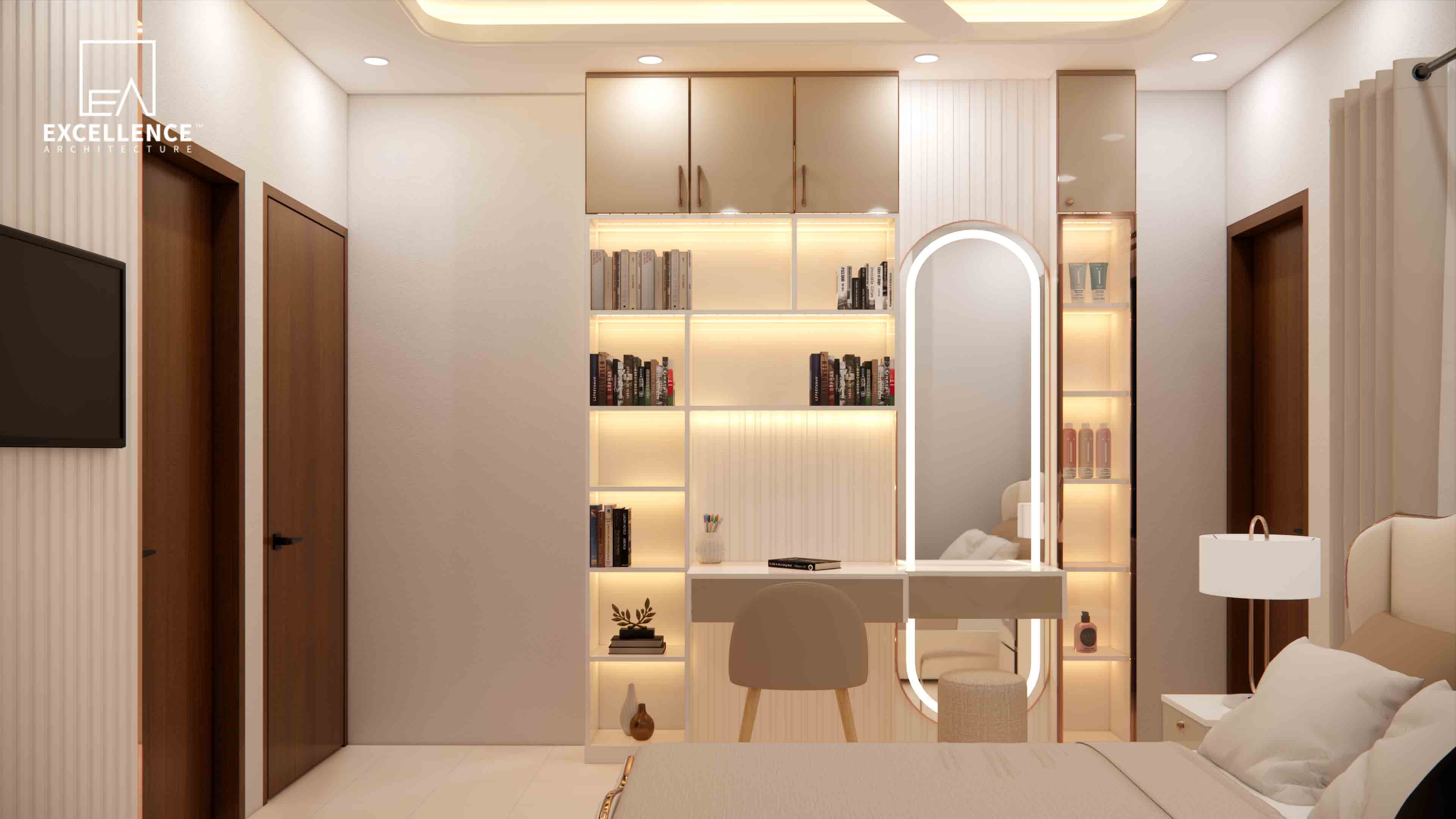
Overwhelmed by clutter in a compact Dhaka flat? Learn how hidden vertical storage, seamless lofting, over-door cabinets, and flush headboard storage free up floor space.
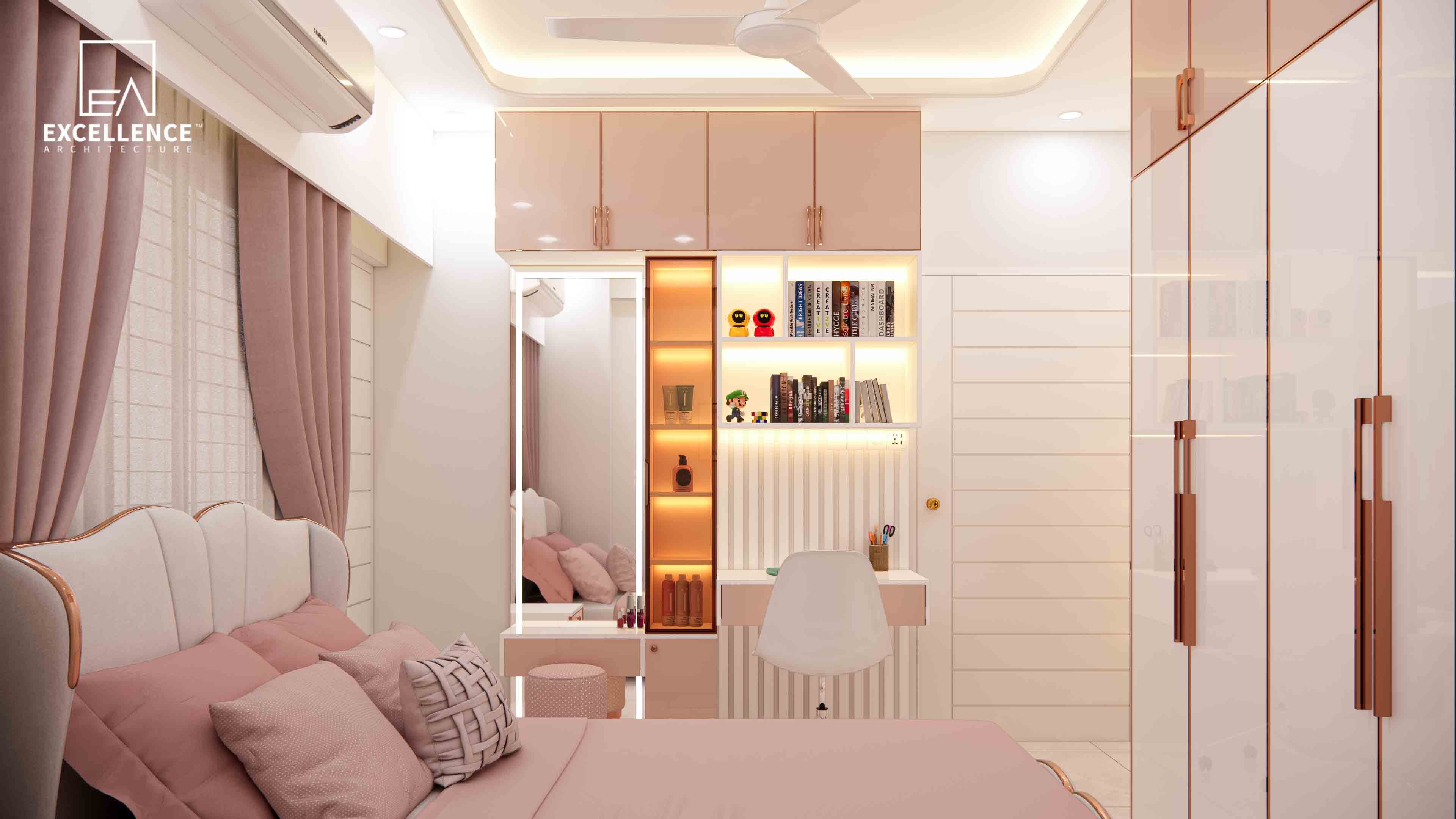
Fitting a King bed, wardrobe, and vanity in under 120 sqft? Learn smart layout tricks, built-in storage ideas, and clear walkway measurements for compact Dhaka flats.