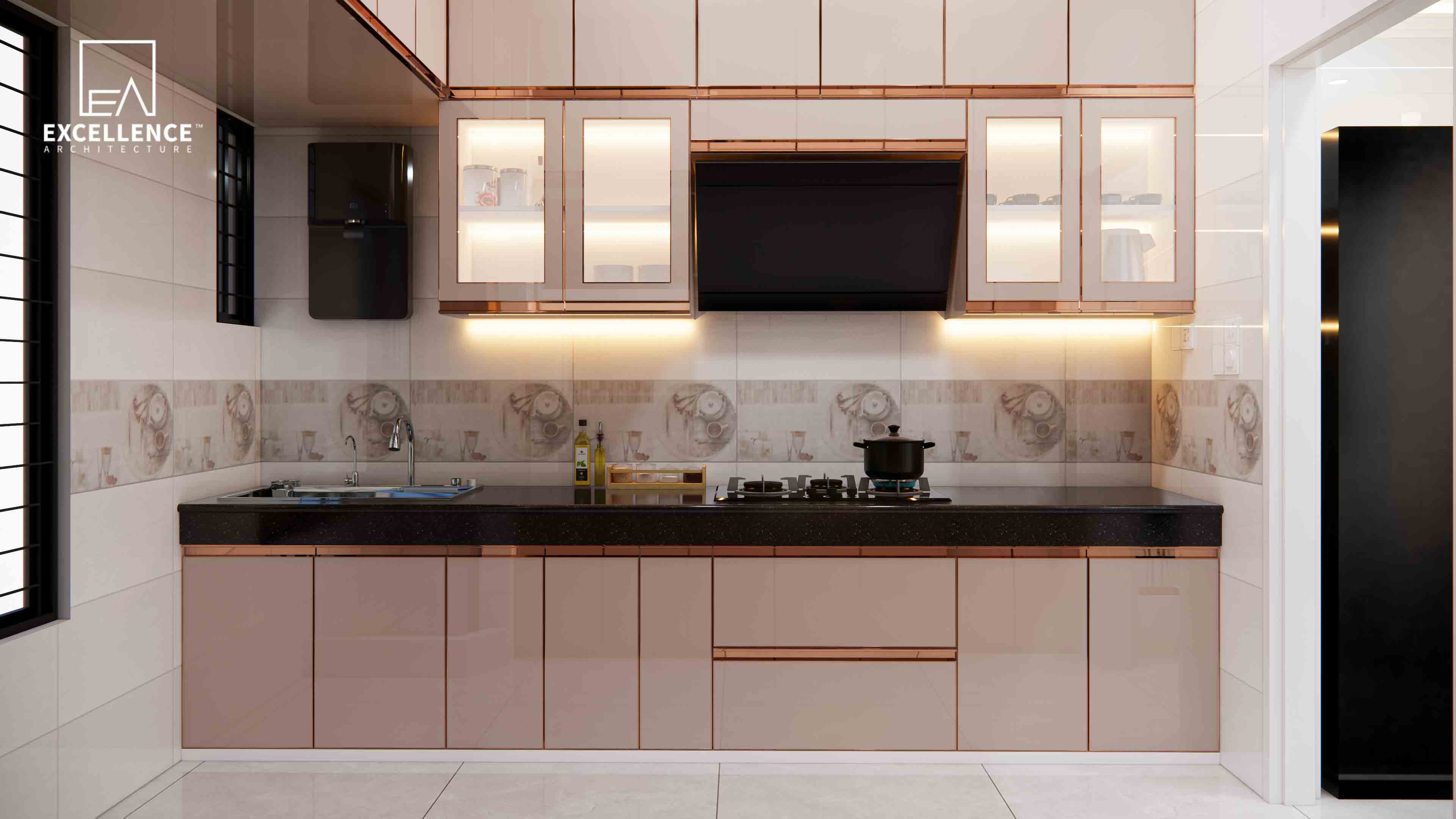
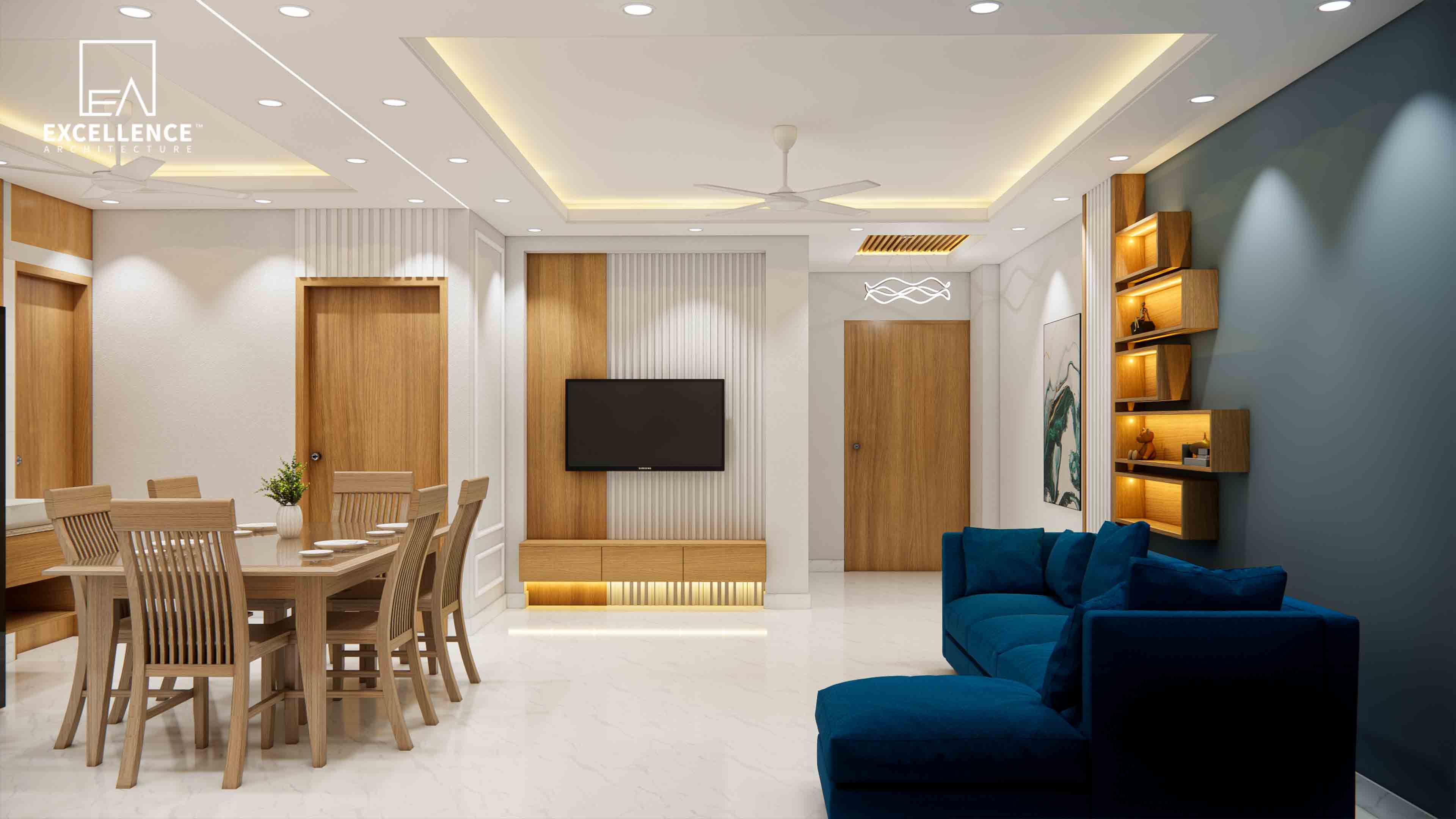
Tired of interior budget ballooning midway? Discover red flags in vague contractor quotes, BOQ standards, and contract clauses to protect your Dhaka home investment.
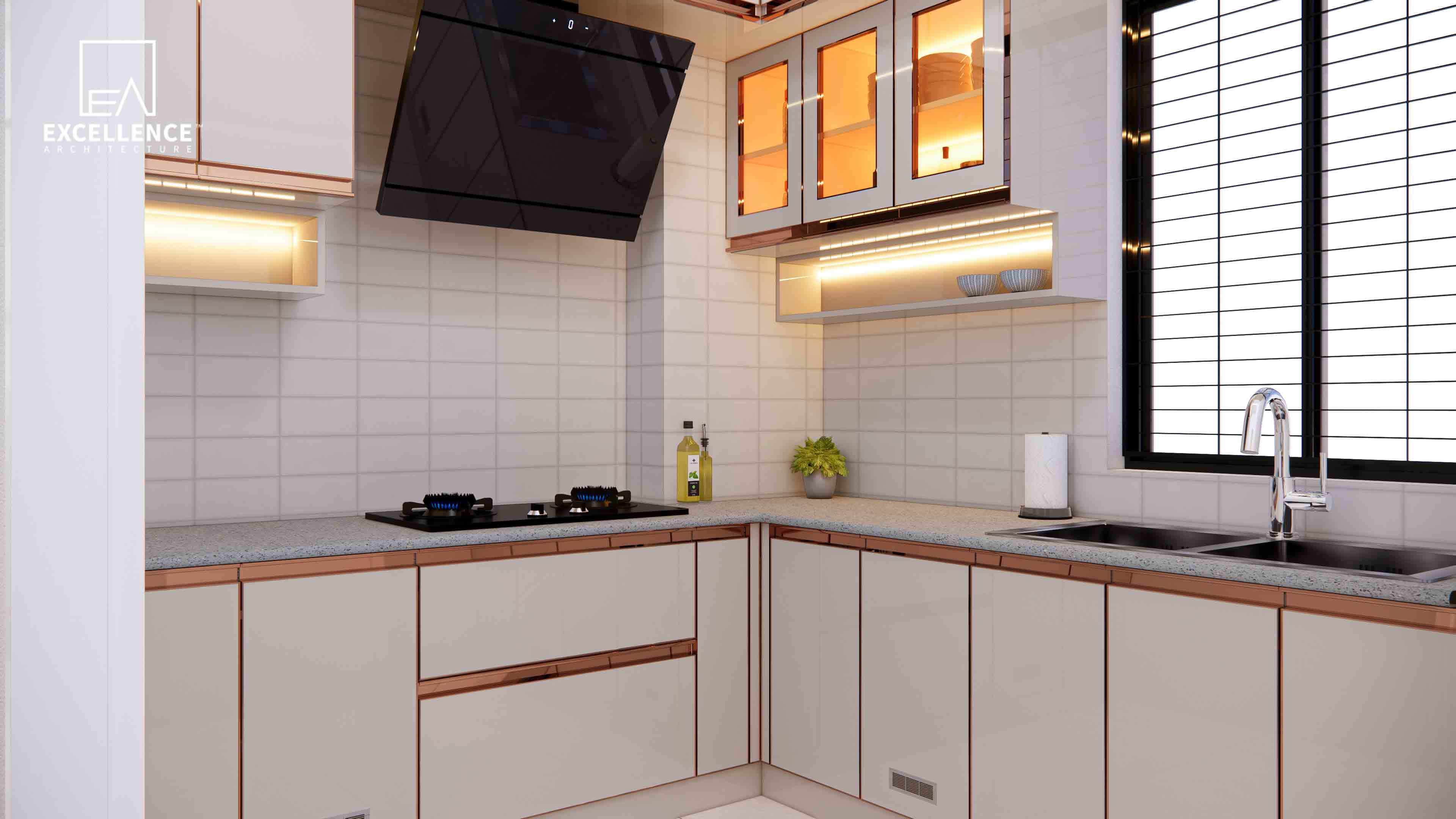
Kitchen walls around cooktops and sink zones endure relentless exposure to mustard oil splatters, steam, heavy spice vapors, and high heat. Standard wall paint or low-grade tiles quickly absorb grease, leading to stubborn yellow stains, peeling finishes, and lingering odors.
Choosing non-porous, heat-resistant, and seamless wall materials ensures your kitchen stays hygienic and visually pristine with minimal daily scrubbing.
At Excellence Architecture, we engineer durable, easy-to-maintain kitchen interiors that withstand heavy daily Bangladeshi cooking while maintaining a sleek, modern aesthetic.
Here is our architectural guide to choosing easy-to-clean kitchen wall materials:
When evaluating wall finishes for cooking and prep zones, prioritize three technical requirements:
Made from 6mm or 8mm tempered glass painted on the rear side, back-painted glass offers a completely non-porous, joint-free surface.
Vitrified porcelain slabs with high-density glazes provide the durability of stone without high maintenance.
Extending the countertop material directly up the wall to meet the bottom of upper cabinets creates a high-end, cohesive look.
Choosing non-porous materials like toughened glass, large porcelain slabs, or sintered stone keeps your kitchen grease-free, easy to clean, and looking brand new for years.
Planning a kitchen renovation or modular design in your Dhaka apartment?
Contact Excellence Architecture today to request your Free 2D Floor Plan and start designing your dream kitchen!
Tired of interior budget ballooning midway? Discover red flags in vague contractor quotes, BOQ standards, and contract clauses to protect your Dhaka home investment.

Struggling with non-standard wall angles or narrow hallways in your Dhaka flat? Discover custom joinery, rounded furniture layouts, and spatial clearance rules.
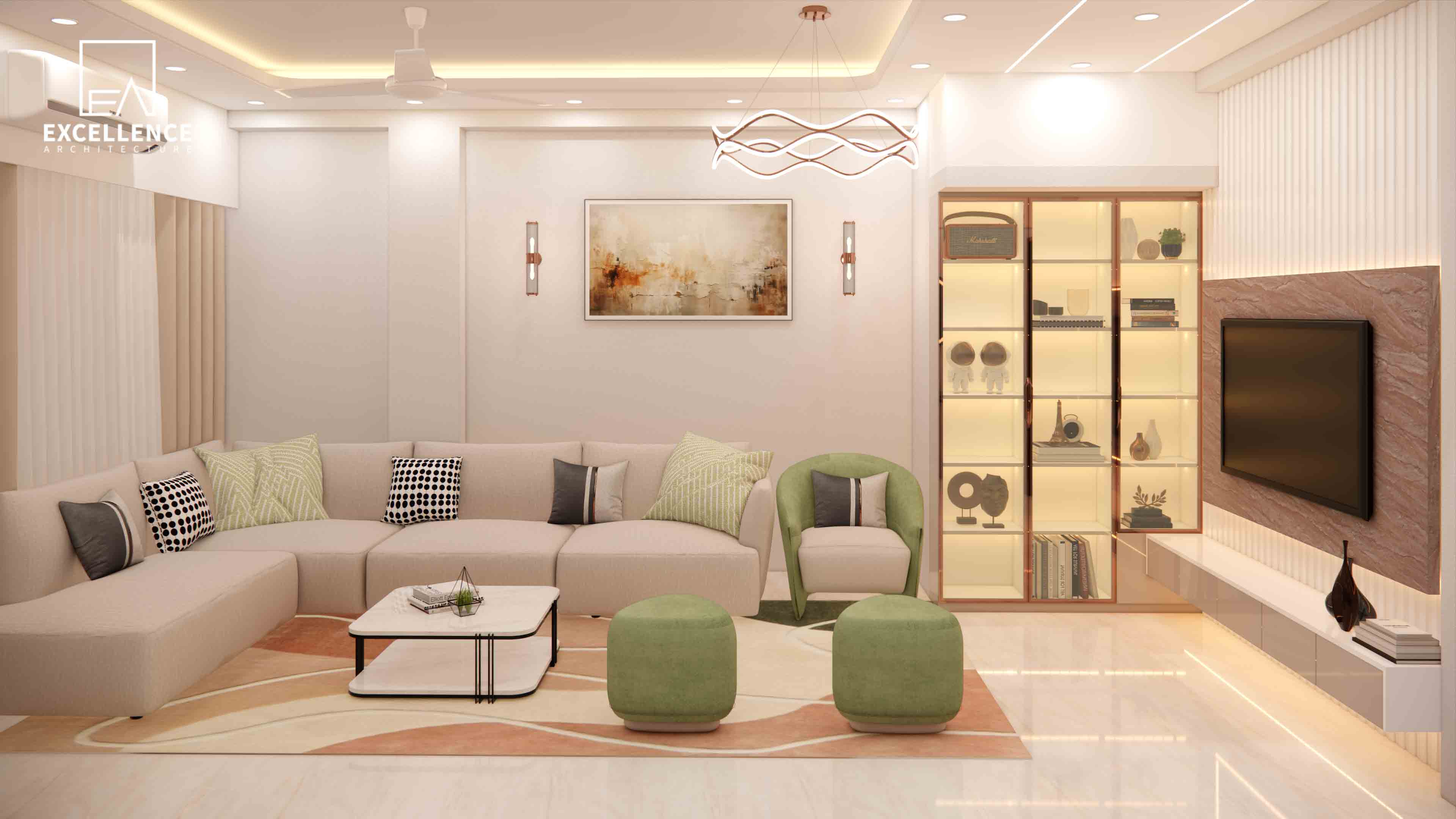
Living in an 8.5 ft low-ceiling Dhaka flat? Discover clever visual tricks, uplighting strategies, paint choices, and low-profile furniture layouts that make rooms feel lofty.
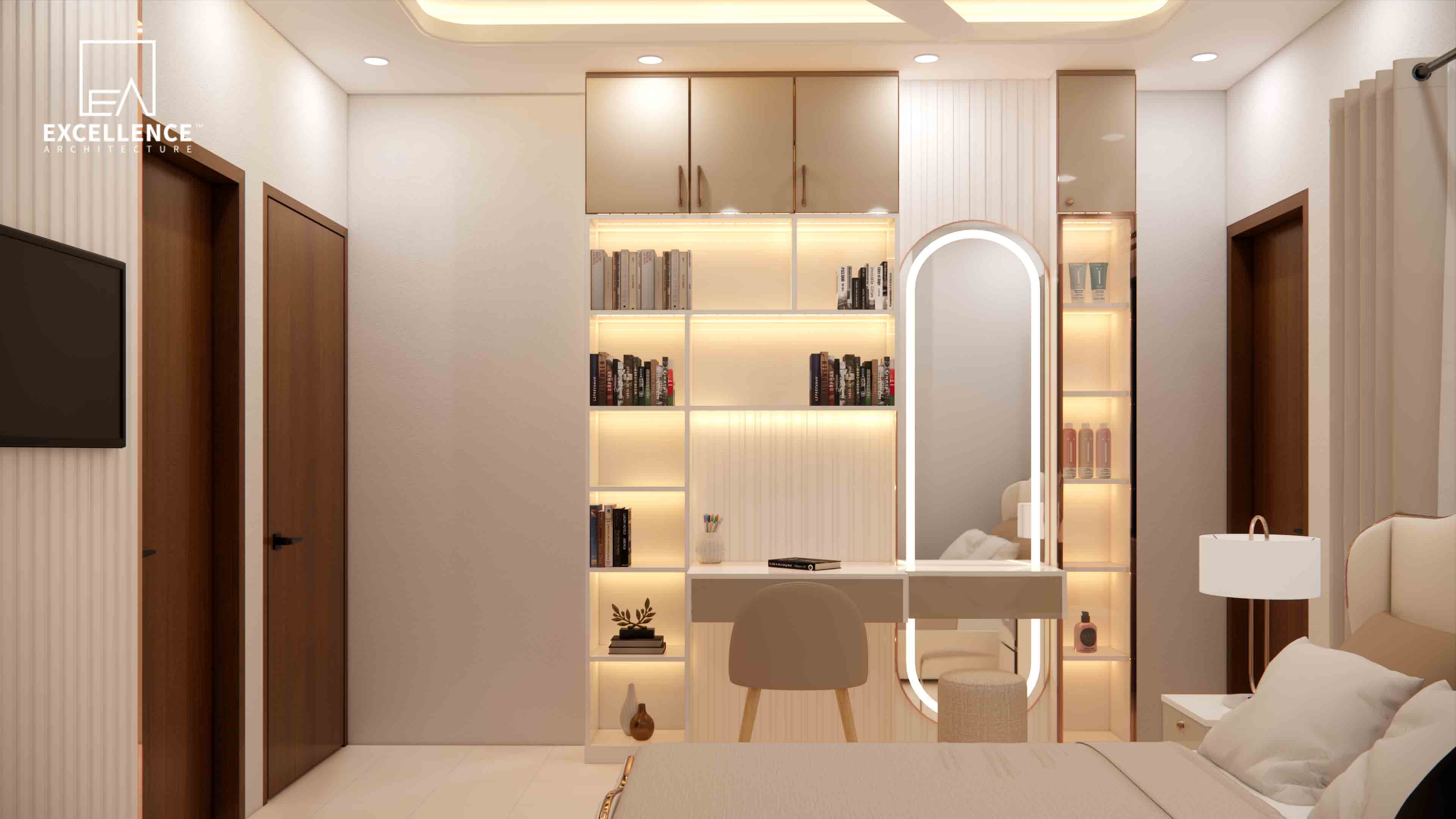
Overwhelmed by clutter in a compact Dhaka flat? Learn how hidden vertical storage, seamless lofting, over-door cabinets, and flush headboard storage free up floor space.
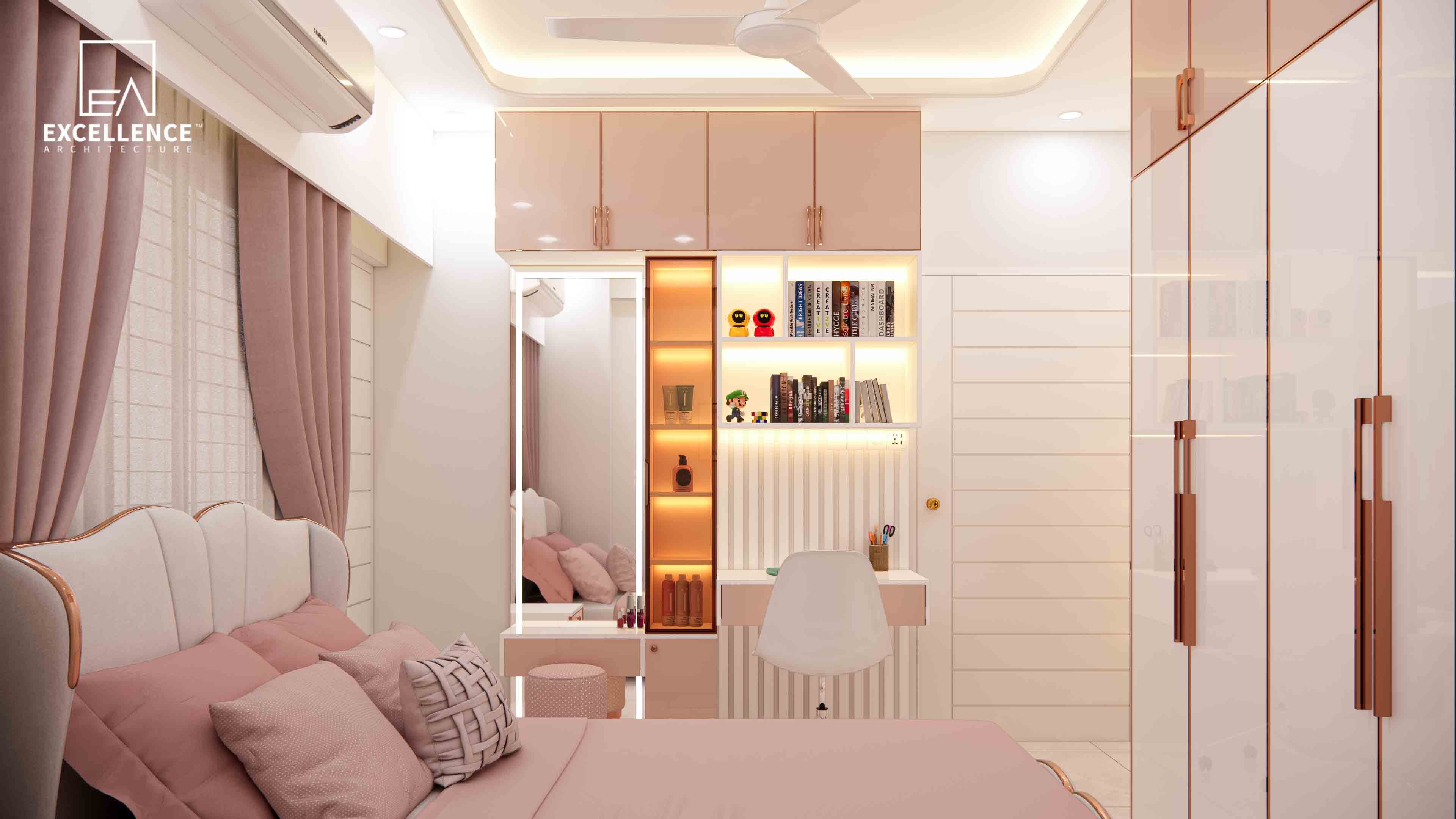
Fitting a King bed, wardrobe, and vanity in under 120 sqft? Learn smart layout tricks, built-in storage ideas, and clear walkway measurements for compact Dhaka flats.
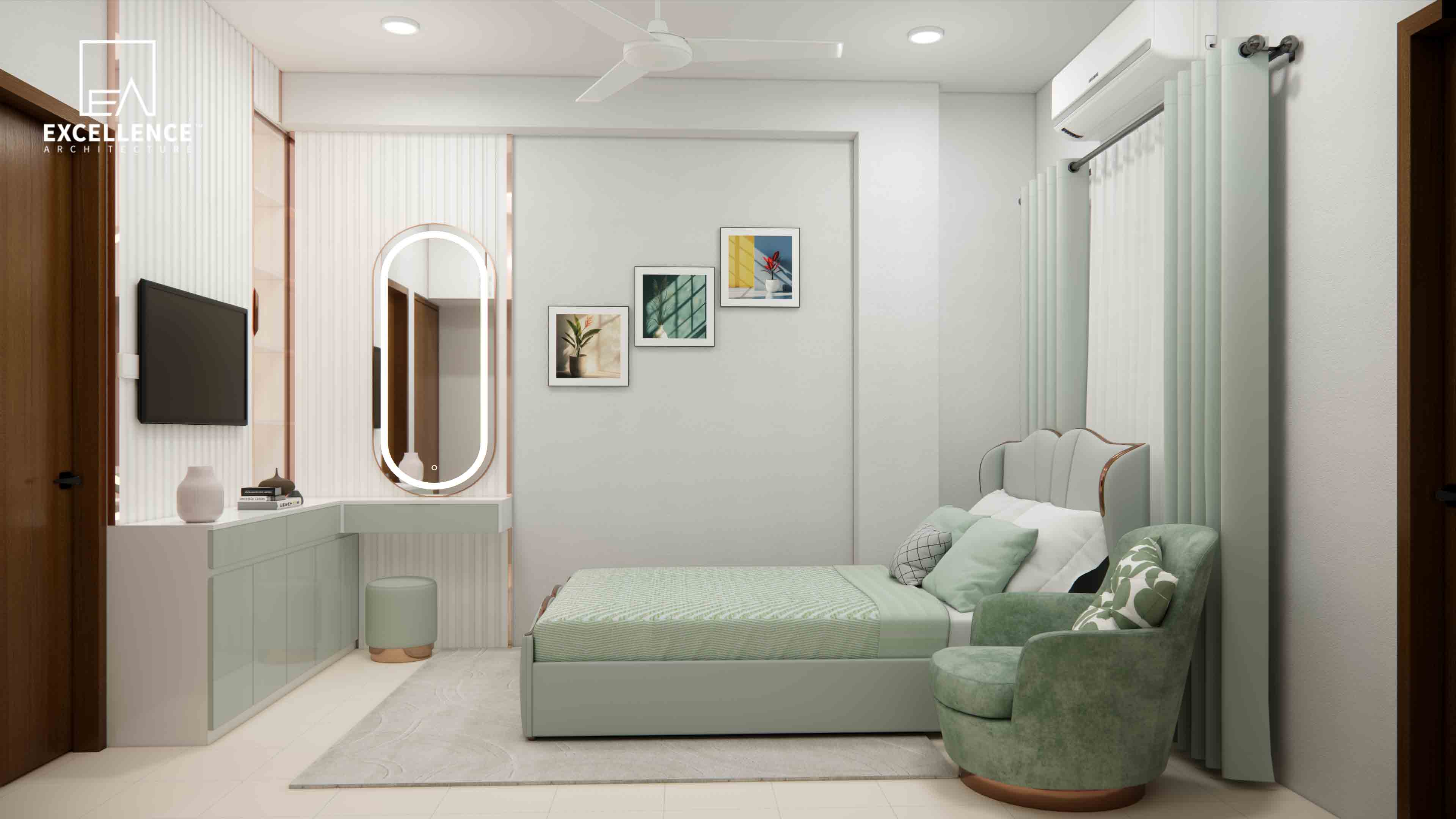
Frustrated by low beams, protruding columns, or exposed AC copper pipes? Learn how to hide or transform them aesthetically in your Dhaka apartment.